


Multimedia | podcast
"Silent Spring at 50"
A comparative analysis of the reception of Rachel Carson’s Silent Spring in the United States and in the UK.
A comparative analysis of the reception of Rachel Carson’s Silent Spring in the United States and in the UK.

Overview of the exhibition “Rachel Carson’s Silent Spring: A book that changed the world” by historian Mark Stoll. This exhibition presents the global reception and impact of Rachel Carson’s Silent Spring.

The documents collected in the book reveal the various and sometimes conflicting uses of the term “conservation” and the contested nature of the reforms it described.
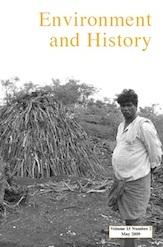
The pollution of the Herbert River with tin dredge effluent after 1944 sparks the first Act specifically to control water pollution in the Australian state of Queensland.
Finn Arne Jørgensen examines the development of the Scandinavian beverage container deposit-refund system, which has the highest return rates in the world, from 1970 to the present day. He reveals the challenges faced when the system was exported internationally and explores the critical role of technological infrastructures and consumer convenience in modern recycling.

In this episode from the New Books Network podcast, Simone Müller is interviewed on her recent book, The Toxic Ship: The Voyage of the Khian Sea and the Global Waste Trade.
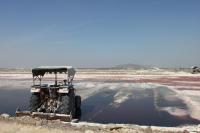
Across a century and a half, colonial, private and government salt farming at Sambhar has transformed the ecology of the lake and caused a slow cataclysm of pollution, affecting wildlife and livelihoods.
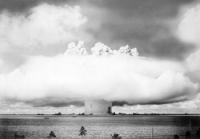
In this chapter of the online exhibition “Representing Environmental Risks in the Landscapes of US Militarization,” literary scholar Hsuan L. Hsu writes about the impacts of US nuclear testing.

The cartography of nuclear bombings and nuclear waste can be understood and visualized in different ways depending on who is drawing the map. This is a chapter of the virtual exhibition “Representing Environmental Risk in the Landscapes of US Militarization” by literary scholar Hsuan L. Hsu.

Ukraine’s Dnipro River and nearby inhabitants have lived through brute-force environmental change and war over the last century.