

Multimedia | interviews and talks
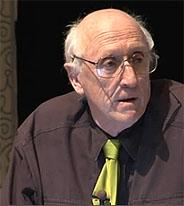
Brand, Stewart, "4 Environmental Heresies"
Stewart Brand talks about cities, nuclear power, genetic modification, and geo-engineering.
Stewart Brand talks about cities, nuclear power, genetic modification, and geo-engineering.
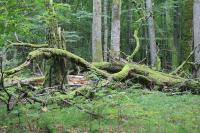
As virgin forests become carbon sinks and biodiversity hotspots, their coproduced history is consigned to oblivion.
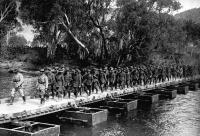
The history of Puckapunyal Military Training Area illustrates how war and the environment interact in sometimes unexpected ways.

Emily O’Gorman examines the ways in which ducks as well as people negotiated the changing water landscapes of the Murrumbidgee River caused by the creation of rice paddies.
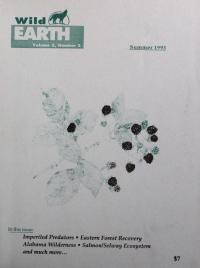
Wild Earth 3, no. 2 on imperiled predators like bears and lions, the Eastern forest recovery, Alabama wildlands, deep ecology in the former Soviet Union, and the salmon/selway ecosystem.
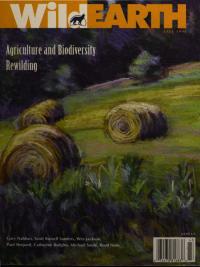
Wild Earth 8, no. 3 features articles on the relationship between agriculture and biodiversity as well as an examination of whether conservation biology needs natural history. The issue also provides updates on the Wildlands Project.
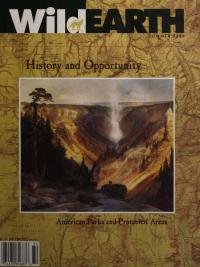
Wild Earth 10, no. 2 is dedicated to US national parks and protected areas. It also features articles by John Muir on anthropocentrism and James Morton Turner on early American environmentalism.
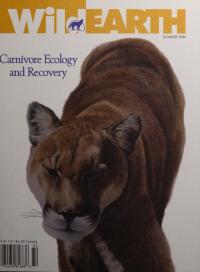
Wild Earth 9, no. 2 is dedicated to the topic “Carnivore Ecology and Recovery.” Articles discuss Yellowstone grizzlies, Oregon wolves, and the cultural and biological roles of carnivores.
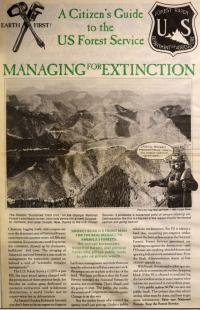
This Earth First! tabloid describes negative impacts of the U.S. Forest Service on national forests. Topics include reform proposals for the USFS, the role of deep ecology, the destruction of eco-systems across the U.S., abuse of Native American cultural heritage, and a call for the protection of national forests.

This Spring 1994 issue of Entmoot! encourages environmental activists to take direct action about issues such as the eradication of wild salmon and the reintroduction of wolves.