

Arcadia
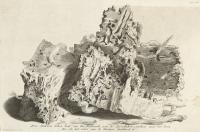
Molluscan Explosion: The Dutch Shipworm Epidemic of the 1730s
An invasive mollusk called the shipworm (Teredo navalis) attacked coastal dikes in the Netherlands in the 1730s, leading to changes in the design of dikes.
An invasive mollusk called the shipworm (Teredo navalis) attacked coastal dikes in the Netherlands in the 1730s, leading to changes in the design of dikes.
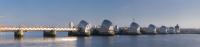
In 1975, construction began for the Thames Barrier, a moveable flood defense located on the River Thames, downstream of central London in the United Kingdom.

This is a chapter of the virtual exhibition “Welcome to the Anthropocene: The Earth in Our Hands”—written and curated by historian Nina Möllers.
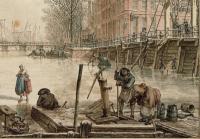
During the Little Ice Age’s harsh winters, frozen waterways posed challenges and opportunities in the Dutch Republic.

This is a chapter of the virtual exhibition “Welcome to the Anthropocene: The Earth in Our Hands”—written and curated by historian Nina Möllers.
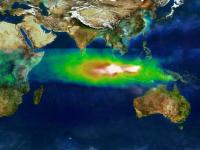
In 1997 and 1998 peat swamp forests burned in Borneo, Indonesia, spewing big amounts of carbon dioxide into the atmosphere.

Gender colonization, progress, and nature on display as the first electricity from Hoover Dam arrived in Los Angeles in 1936.

The hydroelectric dam “Site C” impacts not only the local environment but also the everyday life of indigenous groups.
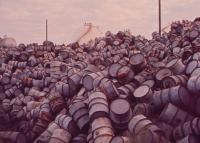
Introductory chapter to the virtual exhibition Toxic Relationships: Uncovering the Worlds of Hazardous Waste.
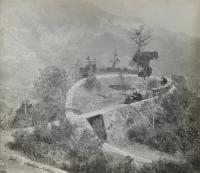
This is a chapter of the virtual exhibition “Famines in Late Nineteenth-Century India: Politics, Culture, and Environmental Justice”—written and curated by sociologist Naresh Chandra Sourabh and economic historian Timo Myllyntaus.