

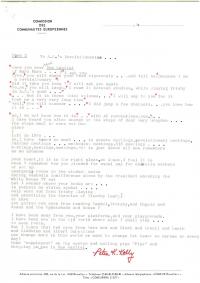
Exhibition chapter
1. The Transnational Education of Petra Kelly | Petra Kelly
First chapter of Stephen Milder et al.’s virtual exhibition, Petra Kelly: Life and Legacy of a Transnational Green Activist.
First chapter of Stephen Milder et al.’s virtual exhibition, Petra Kelly: Life and Legacy of a Transnational Green Activist.
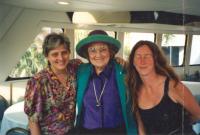
Second chapter of Stephen Milder et al.’s virtual exhibition, Petra Kelly: Life and Legacy of a Transnational Green Activist.
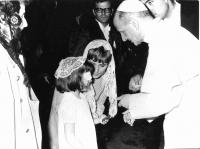
Third chapter of Stephen Milder et al.’s virtual exhibition, Petra Kelly: Life and Legacy of a Transnational Green Activist.
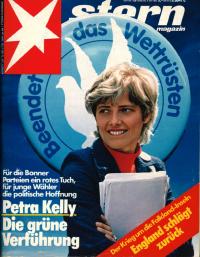
Fourth chapter of Stephen Milder et al.’s virtual exhibition, Petra Kelly: Life and Legacy of a Transnational Green Activist.
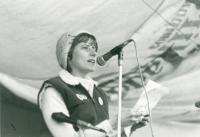
Fifth chapter of Stephen Milder et al.’s virtual exhibition, Petra Kelly: Life and Legacy of a Transnational Green Activist.
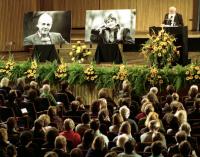
Sixth chapter of Stephen Milder et al.’s virtual exhibition, Petra Kelly: Life and Legacy of a Transnational Green Activist.

A Tuesday Discussion with Lena Köhn.
In this episode from the New Books Network podcast, Daniel Macfarlane is interviewed on his recent book, Natural Allies: Environment, Energy, and the History of US–Canada Relations.
In this episode from the New Books Network podcast, Marco Armiero, Roberta Biasillo, and Wilko Graf Von Hardenberg are interviewed on their recent book, Mussolini’s Nature: An Environmental History of Italian Fascism.

This book chapter examines the 1975 Nordic Council conference at Frostavallen in Sweden as a transnational media event which specifically sought to articulate a green modernity to the outside world.