


Multimedia | book profile
Deep Economy: The Wealth of Communities and the Durable Future
Author, educator, and environmentalist Bill McKibben issues an impassioned call to arms for an economy that creates community and ennobles our lives.
Author, educator, and environmentalist Bill McKibben issues an impassioned call to arms for an economy that creates community and ennobles our lives.

The Ant Spider Bee blog explores, discusses, and reflects on digital humanities practices, methodologies, and applications in environmental humanities work.

This is a chapter of the virtual exhibition “Famines in Late Nineteenth-Century India: Politics, Culture, and Environmental Justice”—written and curated by sociologist Naresh Chandra Sourabh and economic historian Timo Myllyntaus.
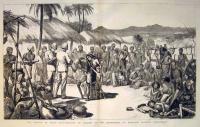
This is a chapter of the virtual exhibition “Famines in Late Nineteenth-Century India: Politics, Culture, and Environmental Justice”—written and curated by sociologist Naresh Chandra Sourabh and economic historian Timo Myllyntaus.

This is a chapter of the virtual exhibition “Famines in Late Nineteenth-Century India: Politics, Culture, and Environmental Justice”—written and curated by sociologist Naresh Chandra Sourabh and economic histrorian Timo Myllyntaus.

This is a part of the virtual exhibition “Famines in Late Nineteenth-Century India: Politics, Culture, and Environmental Justice”—written and curated by sociologist Naresh Chandra Sourabh and economic historian Timo Myllyntaus.

This Arcadia article by environmental historian Wilko von Hardenberg shows how after almost a century on the brink of extinction, bears are once again roaming the eastern Italian Alps.

In this Arcadia article, Claudia Leal shows how the early history of Colombia’s Tayrona National Park reveals the extent to which it has been shaped by state policies: evictions, restrictions to land use, and a fierce battle against tourism interests.

Short food chains not only create a sense of community and of “living together” by building trust and social bonds, they also generate jobs and strengthen local economies. Yet despite these social and economic benefits, local food systems are threatened by transnational corporations gaining monopoly control over different links of the food chain and the modernist development agenda that encourages jobs in sectors other than food production.
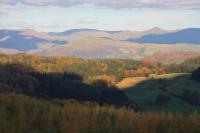
Matthew Kelly describes how national parks were a component of the social democratic transformation of post-war Britain, which quickly became a focus for anxiety about the rise of mass car ownership and agricultural intensification.