

Multimedia | book profile
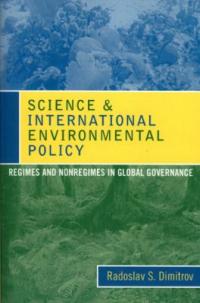
Science and International Policy: Regimes and Nonregimes in Global Governance
Introduces nonregimes into the study of global governance, and compares successes with failures in the formation of environmental treaties.
Introduces nonregimes into the study of global governance, and compares successes with failures in the formation of environmental treaties.
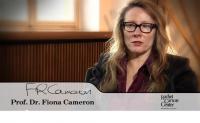
Fiona Cameron, Carson Fellow from August 2011 until March 2012, talks about her research on ‘Museums, Education, and Climate Change’ at the intersections between science, technology and nature.
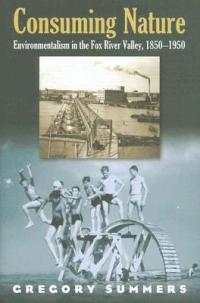
Summers shows that modern environmentalism is among the most important legacies of a consumer society.

Marianna Dudley, Carson Fellow from October 2011 until March 2012, talks about the unusual experiences of researching militarized landscapes.
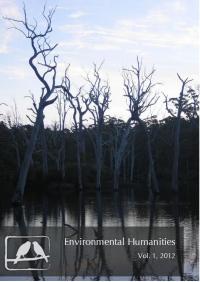
Libby Robin explores four key drivers of conservation initiatives: place, landscape, biodiversity, and livelihood.
Natalie Porter analyses a participatory health intervention in Việt Nam to explore how avian influenza threats challenge long-held understandings of animals’ place in the environment and society.
Alex Lockwood tries to measure the importance of Rachel Carson’s work in its affective influence on contemporary environmental writing across the humanities.
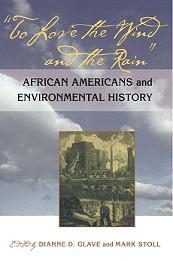
An examination of the relationship between African Americans and the environment in US history.
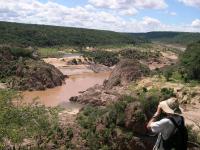
Striving to create a “South African Eden,” the Kruger National Park was established in 1926 under the leadership of warden James Stevenson-Hamilton. Since this time, the park has developed into one the greatest and most renowned game reserves in the world.

David Moon and Leona Skelton who carried out the Oral History project about the man-made environment of Kielder discuss some of their findings.