Polluted Water
This article discusses the shift in perception regarding polluted water. When did perceptions of polluted water change, when was it no longer considered a part of everyday life? And what caused the tide to turn?
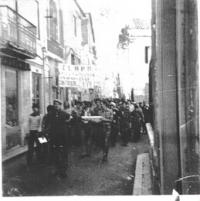
This article examines mobilization and resistance against pollution in the Alviela River in the Santarém municipality, Portugal, since the 1950s.
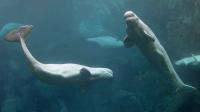
In 1966, a stray beluga whale swimming up and down the polluted Lower Rhine caught the media’s attention in West Germany.
Chronicles how industry developed a continental perspective in a shared regional space, the mineralized West, and how successful efforts of governments and citizens to protect the environment evolved.
In 1969, the Danish environmental organization NOAH is established, following a spectacular happening at the University of Copenhagen.
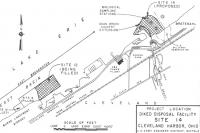
Environmental activism in the 1960s forced the Army Corps of Engineers to limit the open-water dumping of dredge spoils in the Great Lakes and create new “natural” areas along the shore.
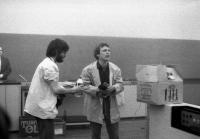
An advertising campaign by Vickers and Benson helped the Canadian environmental organization Pollution Probe brand itself during the early years of its existence.
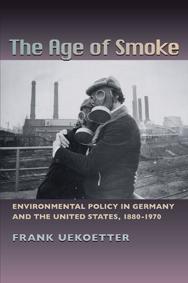
A comparative history of environmental policy development in Germany and the United States from 1880 to 1970, and the rise of civic activism to combat air pollution.
As Himalayan wildlife is endangered by improper waste disposal practices, activist groups like Waste Warriors are working to solve this crisis.
These essays showcase examples from Canada and Western Europe, offering insights into how different forms of environmental knowledge and environmental politics come to be seen as legitimate or illegitimate.