Wild Earth 11, no. 1
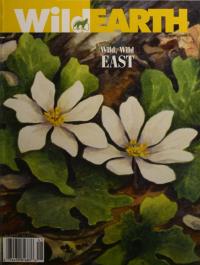
Wild Earth 11, no. 1, features stories about New England’s wilderness: primeval forests, the Northwoods, large mammals, old growth forests, as well as conservation history and biodiversity of the eastern United States.
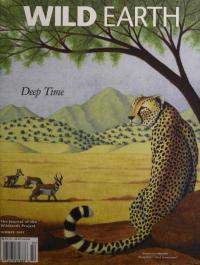
Wild Earth 12, no. 2, features essays on deep time and evolution, ecopsychology, animal indicators of ecosystem health, and a proposal for Pennsylvania’s Allegheny National Forest.
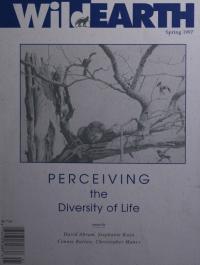
In Wild Earth 7, no. 1 David Abram rediscovers our animal senses, Stephanie Kaza analyzes assumptions and stereotypes about human-nature relations, Connie Barlow reflects on the epic of evolution, and Christopher Manes reflects on a meaningful relationship with the wild.
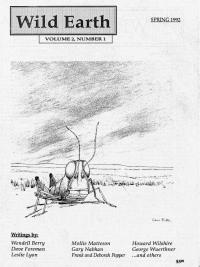
Wild Earth 2, no. 1 with essays on the ecological costs of livestock, bison hunt, trouts and their habitat, “wheeled locusts,” and off-road-vehicle trails on public lands.
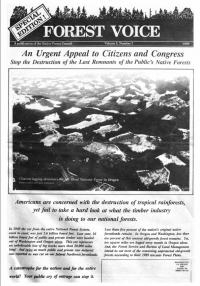
This issue of Forest Voice features photographs of deforested U.S. federal lands and argues that log exporting is both economically and environmentally foolish. It outlines appeals citizens can make to their government representatives to save national native forests.
The 1987 nuclear power referendum was a major political victory for the Italian environmental movement. In the wake of the Chernobyl nuclear disaster, it led to a moratorium on building nuclear plants in Italy.
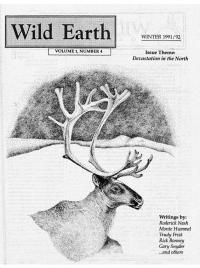
Wild Earth 1, no. 4. on Canadian wilderness laws and national parks, how a proposed copper mine in Canada is threatening the rivers Tatshenshini and Alsek, and the hidden costs of developing natural gas reserves.
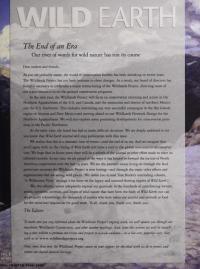
Wild Earth 14, no. 3/4, is the last issue of the Wild Earth Journal. It presents essays on connectivity and long-distance migration in human-fragmented landscapes, the Great Bear Rainforest archipelago, and rewilding Patagonia.
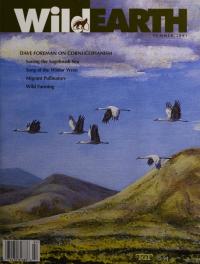
Wild Earth 11, no. 2, features essays on the Sagebrush Sea, the adventures of migrant pollinators, prevention as the best defense against invasive exotics, wild farming, and fire as a necessary participant in certain ecosystems.
This is Chapter 7 of the exhibition “Rachel Carson’s Silent Spring: A book that changed the world” by historian Mark Stoll.