

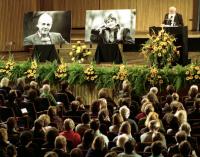
Exhibition chapter
6. Petra Kelly’s Legacy | Petra Kelly
Sixth chapter of Stephen Milder et al.’s virtual exhibition, Petra Kelly: Life and Legacy of a Transnational Green Activist.
Sixth chapter of Stephen Milder et al.’s virtual exhibition, Petra Kelly: Life and Legacy of a Transnational Green Activist.

This edited volume takes the reader on an intellectual journey at the frontlines across global South and global North where climate breakdown meets social innovations.
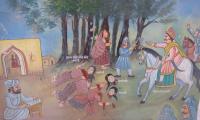
This article traces how Bishnoi religious beliefs have informed environmental activism as well as present-day forest conservation and wildlife-protection strategies in the Thar Desert, India.

Alison Pouliot writes about the pejorative language that has been used to describe fungi and how it has shaped our understanding of them.
Anthropologist and STS scholar Mascha Gugganig and cultural geographer Judith Bopp discuss “Organic Farming in Thailand” and prevailing narratives about agriculture.
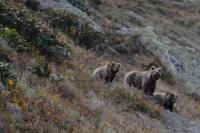
As Himalayan wildlife is endangered by improper waste disposal practices, activist groups like Waste Warriors are working to solve this crisis.
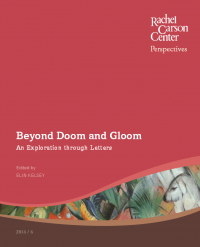
How can we best influence and enact a shift beyond “doom and gloom” when we talk about the environment? The letters in this Perspectives volume are responses to this dilemma. Through an exploration of new environmental narratives, this volume aims to stimulate readers to emotionally reflect on how we can embrace hope and resilience in our stories about the environment.

The story of Rachel Carson’s Silent Spring told in Spanish.

Earth First! 30, no. 4 features a memorial on Judi Bari, and essays on militant feminism, multinationals in Chiapas rainforest, the Olympics in Vancouver, mining in Argentina, and green capitalism.