


Multimedia | journal article
"Slamming the Anthropocene: Performing climate change in museums"
Libby Robin and Cameron Muir discuss representations of the Anthropocene in museums and events.
Libby Robin and Cameron Muir discuss representations of the Anthropocene in museums and events.
Drawing on interviews with 25 Australian environmental leaders, the authors ask how international instruments with cosmopolitan ambitions influence the discourse and practice of national and subnational environmentalists attempting to find common ground with Indigenous groups.
Based on 25 interviews with Australian environmental leaders, the authors assess the value and benefit of the World Heritage Convention and the UNDRIP in relation to Indigenous communities and cosmopolitanism.
Adam Amir follows decolonizing and feminist methodologies to develop a form of communal participatory video production for portraying the last 300 remaining Cross River gorillas and their role in indigenous values and conservation efforts.
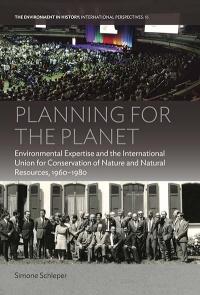
This book reveals how IUCN experts struggled to make global schemes for nature conservation a central concern for UNESCO, UNEP and other intergovernmental organizations.
Full text of Claire Lagier’s dissertation, “Constructing Legitimacy? Agroecology within and beyond the Brazilian Landless Workers’ Movement (MST).”

In this episode from the New Books Network podcast, Anna M. Gade is interviewed on her new book, Muslim Environmentalisms: Religious and Social Foundations.
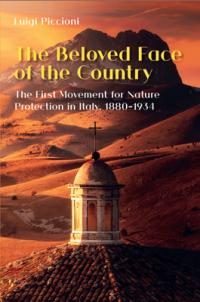
Excerpt from The Beloved Face of the Country: The First Movement for Nature Protection in Italy, 1880–1934.
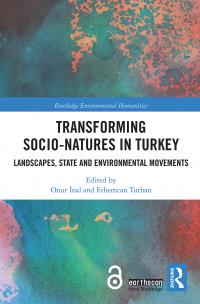
This book is an exploration of the environmental makings and contested historical trajectories of environmental change in Turkey.
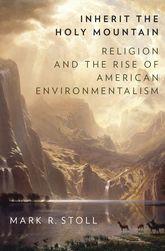
Excerpt from Mark R. Stoll’s Inherit the Holy Mountain: Religion and the Rise of American Environmentalism.