

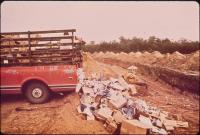
Exhibition chapter
Managing Waste | The Life of Waste
This chapter from the virtual exhibition “The Life of Waste” considers the myriad practices of managing waste, such as burning, burying, discarding, disposal, reuse, and recycling.
This chapter from the virtual exhibition “The Life of Waste” considers the myriad practices of managing waste, such as burning, burying, discarding, disposal, reuse, and recycling.
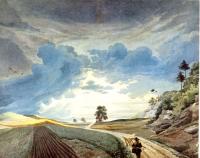
In this chapter of her virtual exhibition “Human-Nature Relations in German Literature,” Sabine Wilke discusses texts that register transformations of landscapes or take a position on their causes. For the German-language version of this exhibition, click here.

In this chapter of the virtual exhibition “Energy Transitions,” historian Nuno Luís Madureira argues that the study of such transitions itself has gone through changes over the course of history.
Since the 1960s, the community food movement in the United Kingdom has evolved from a means of survival to an alternative to industrialized agriculture.

Wild rice was “tamed” when domesticated in the 1950s, yet both cultivated and foraged wild rice face shared contemporary challenges.
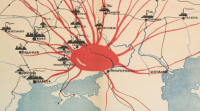
An essay on Russian imperialism and the entanglement of the geologic and the military.
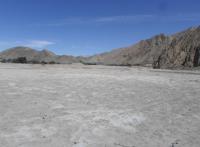
This article is an exploration of the chemical heritage of mining activities in northern Chile.
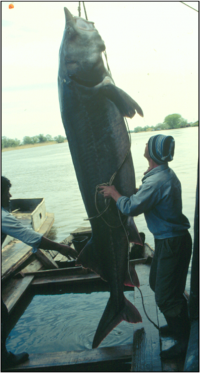
In this chapter of their virtual exhibition “‘Commanding, Sovereign Stream’: The Neva and the Viennese Danube in the History of Imperial Metropolitan Centers,” the authors discuss how the growing population required a lot of food and fish was significant part of the city dwellers’ diets. Social stratification led to the clear division between fish commodities for the wealthy and those for poor citizens, though some kinds of fish could be popular among all dwellers, regardless of social differences.
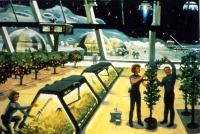
To live among the stars always meant solving the down-to-earth problem of sustainable waste management.
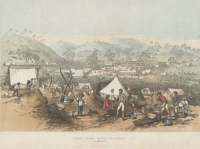
Once a denuded gold mining landscape, now a National Heritage Park, this place is site of emerging environmental histories of post-colonizing, post-mining lands.