

Multimedia | book profile
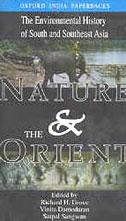
Nature and the Orient: The Environmental History of South and Southeast Asia
Experts in history, history of science, archaeology, geography, and environmental studies examine the history of the region.
Experts in history, history of science, archaeology, geography, and environmental studies examine the history of the region.
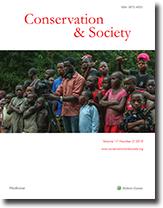
This paper uses a comparative case study approach to explore the individual and societal desire to maintain current lion populations alongside communities in Zimbabwe’s Hwange National Park, Tanzania’s Ruaha National Park, and Kenya’s southern Maasailand.

The historical politicization of the invasive black locust in Hungary.

In this chapter of the virtual exhibition “Energy Transitions,” historian Nuno Luís Madureira argues that the study of such transitions itself has gone through changes over the course of history.

In view of the escalating environmental crisis, the democratic states of the Global North must ecologically transform their social and constitutional orders.

In the eighteenth century, cheap raw materials from the Americas and other emerging markets drove European world trade. The transatlantic triangular trade between Europe, Africa and America was established.

Geologists from the International Commission on Stratigraphy (ICS) are responsible for deciding how the Earth’s history should be categorized into epochs and eras based on geological deposition in the earth.

This film envisions a restructuring of global power relations and calls for individual action in order to create a 100 percent renewable energy economy.
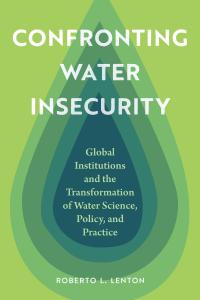
Excerpt from Confronting Water Insecurity: Global Institutions and the Transformation of Water Science, Policy, and Practice by Roberto L. Lenton.