

Multimedia | book, full-text
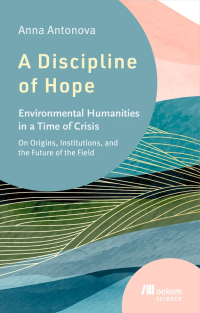
A Discipline of Hope: Environmental Humanities in a Time of Crisis
Full book of A Discipline of Hope: Environmental Humanities in a Time of Crisis by Anna Antonova.
Full book of A Discipline of Hope: Environmental Humanities in a Time of Crisis by Anna Antonova.

Full open-access volume Lifeworld: A Fresh Approach to Environmental Philosophy (2026) by John Foster.

Full book of Seven South African Poets and the Natural World by Dan Wylie.
Full article titled “To Delight and Misinstruct: Strategic Environmental Narratives in New Yorker Fiction” by Matthew Schneider-Mayerson, Christopher A. Walker, Veronica Romero, Kiara McCellon, Claire Campbell, Moya Stringer, et al.
Article by Rachel Carson Center alumna Mengxi Kou and colleagues on how protected areas can conserve wildlife while also safeguarding people’s livelihoods.

Full book, Climate Crisis as a Challenge for the Humanities: A Reader, edited by Karin Esders.

2012—Time for Change sees the Mayan Calendar’s prediction of imminent doom as an opportunity for transformation.

Zahīr ud-Dīn Muhammad Bābur’s autobiography anticipates an ecological and multispecies way of understanding the environment, highlighting confluence rather than divergence between humans and nonhumans.

Miyaoi Yasuo’s 1858 collection of tales, Kidan zasshi, challenges assumed human–animal boundaries, portraying shared ethics, reincarnation, and emotional connections by blending folklore and insights drawn from Edo-period experience.
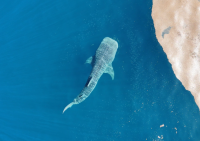
Whale sharks gather each year at Ningaloo Reef, their seasonal appearances drawing intensive human attention, reminding us that the story of the ocean is also our own story.