

Perspectives Article
Swimming with the Groundfish
Carmel Finley reflects on her developing interest in fish and fisheries, particularly in postwar fisheries science.
Carmel Finley reflects on her developing interest in fish and fisheries, particularly in postwar fisheries science.
Amy M. Hay examines the history of Agent Orange and its environmental and human consequences—a story that represented a transnational history.
Kieko Matteson reflects on her childhood in Vermont, emphasizing how material traces such as stone walls and agricultural features reveal past land use and human-environment interactions.
Gijs Mom traces his path into environmental history through an initial concern with electric vehicles and the history of automobility.
Timothy LeCain outlines his shift from viewing technology as a departure from nature to understanding humans as materially embedded within it.
Eva Jakobsson examines her intellectual development in environmental history through a focus on water systems and hydropower.
Franz-Josef Brüggemeier explores the environmental history of Germany’s Ruhr region, focusing on industrial pollution and ecological restoration.
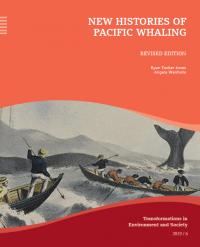
This volume provides new histories of Pacific whaling from untold perspectives.

Patricia Limerick argues that environmental history offers a unique opportunity to address contemporary ecological challenges while revitalizing the historical profession.
John R. McNeill emphasizes the need for environmental history to broaden its scope by addressing underexplored regions, eras, and themes.