"Re-framing Flood Control in England and Wales"
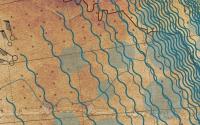
In their article, William R. Sheate and J. Ivan Scrase argue that for a risk-oriented framing to succeed, new assumptions about causation and a new ethical outlook are now needed.
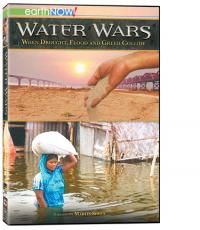
This film examines attempts by communities and experts around the world to protect their water resources in the face of global warming, pollution, and political conflict.
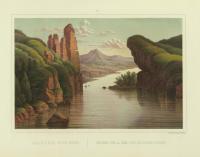
Lithograph by Leopold Niemirowski from Puteshestvie po vostochnoi Sibiri I. Bulychova (Bulychov’s Travels in Eastern Siberia), 1856.
Novelist Catherine Bush walks the streets of Venice, seeking art that engages with Rachel Carson at the Biennale Arte 2024.
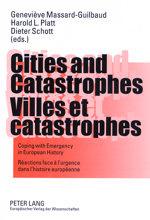
Covering a wide geographical range of European countries, the articles in this edited collection investigate urban disasters such as floods, fires, earthquakes, and epidemic diseases.
This project looks at the historical intersections between environmental change and migration, and is particularly interested in climate-induced movements of people in the past.
Human geographer Mike Hulme looks at sociotechnical developments that have changed the climate and, at the same time, the way we experience the weather.
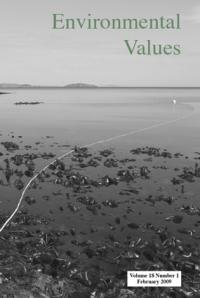
In this paper the author discusses three possible alternative interpretations of the meaning of places and place attachment in ‘new nature’ projects, and shows how all three imply a different view on human identity and history.
The Brauns started farming organically in 1984. This documentary film explores the day-to-day operation of their farm in Bavaria. Among other things, it shows how vital earthworms are for soil fertility.
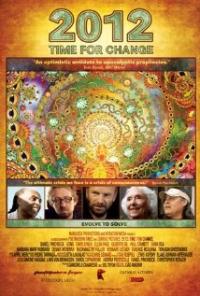
2012—Time for Change sees the Mayan Calendar’s prediction of imminent doom as an opportunity for transformation.