Wild Earth 3, no. 1
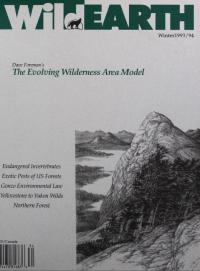
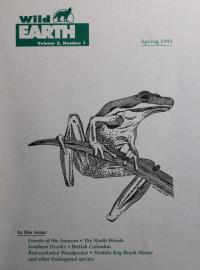
Wild Earth 3, no. 1 on the Northwoods wilderness recovery, the Southern Ozarks, endangered species like the Red-Cockaded Woodpecker and the Perdido Key Beach Mouse, and the breadth and the limits of the deep ecology movement.
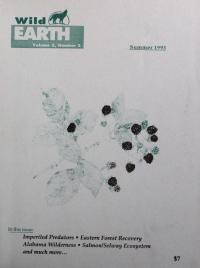
Wild Earth 3, no. 2 on imperiled predators like bears and lions, the Eastern forest recovery, Alabama wildlands, deep ecology in the former Soviet Union, and the salmon/selway ecosystem.
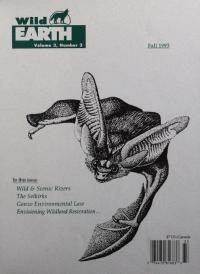
Wild Earth 3, no. 3 features articles on protecting biodiversity in the Selkirk Mountains, preserving biodiversity in caves, restoring the Wild Atlantic Salmon, and changing state forestry laws.
Wild Earth 3, no. 4 puts the spotlight on endangered invertebrates, exotic pests in US forests, the Northern Rockies Ecosystem Protection Act, and keywords of conservation and environmental discourses.
In The Next Industrial Revolution, architect Bill McDonough and chemist Michael Braungart bring together ecology and human design.
2012—Time for Change sees the Mayan Calendar’s prediction of imminent doom as an opportunity for transformation.
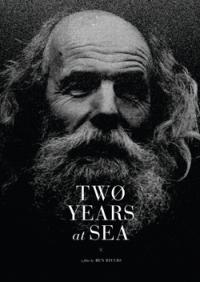
Two Years at Sea tells the story about a middle-aged man who lives a solitary life in a house near the mountains and close to the ocean.
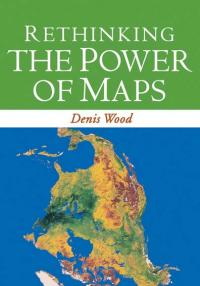
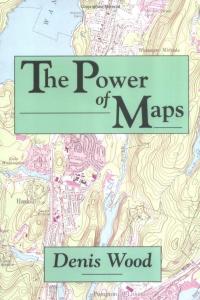
Denis Wood takes a fresh look at what maps do, whose interests they serve, and how they can be used in surprising, creative, and radical ways.
Denis Wood shows how maps are not impartial reference objects, but rather instruments of communication, persuasion, and power.
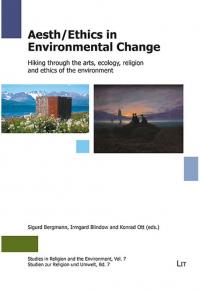
This book catalyzes the reflection about the aesthetic and spiritual dimension in the environmental humanities and offers transdisciplinary insights into the challenge of sustainability and ongoing changes in our society and environment.