

Perspectives Article
Sustainable Water
“Can human interference with the global water and carbon cycle be buffered without mankind disappearing?” This is the systemic question that goes beyond the myths and stories told about water.
“Can human interference with the global water and carbon cycle be buffered without mankind disappearing?” This is the systemic question that goes beyond the myths and stories told about water.
These articles look at the historical sources that may help to trace the spread of the Plague, caused by the bacterium Yersinia pestis, considering how it spread from East Asia to other parts of the world.
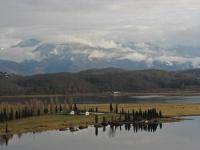
In 1969, the Georgian resort of Pitsunda and its beach were severely damaged by a storm. This was largely due to an ongoing process of coastal erosion caused by anthropogenic influences.
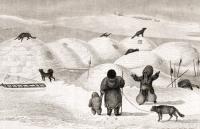
Is the Arctic the last frontier? With text, audio, and video, historian Elena Baldassarri describes the historical struggle to find a passage through the perilous environments of the Far North. This is a chapter of the virtual exhibition “The Northwest Passage: Myth, Environment, and Resources.”
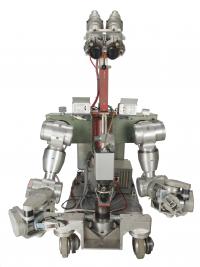
This is a chapter of the virtual exhibition “Welcome to the Anthropocene: The Earth in Our Hands”—written and curated by historian Nina Möllers.

In 1975, construction began for the Thames Barrier, a moveable flood defense located on the River Thames, downstream of central London in the United Kingdom.

This is a part of the virtual exhibition “Famines in Late Nineteenth-Century India: Politics, Culture, and Environmental Justice”—written and curated by sociologist Naresh Chandra Sourabh and economic historian Timo Myllyntaus.

This film follows the aftermath of the Fukushima nuclear disaster in the former “exclusion zone” town of Futaba.
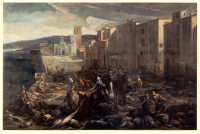
Cindy Ermus argues that the Plague of Provence represents one of the earliest and most pronounced instances of a rigorous, centralized response to disaster.

This film examines the life of a German town some decades after a nuclear plant inspired nationwide resistance.