


Multimedia | journal article
“Der Bartgeier”
This poem traces the complex relationship between humans and the largest bird of the Alps, the bone-eating bearded vulture (Bartgeier).
This poem traces the complex relationship between humans and the largest bird of the Alps, the bone-eating bearded vulture (Bartgeier).
In an increasingly inhumane world, this article argues that socioecological justice can only be achieved by embracing human nature.
A brief history of the universe from the big bang to the Anthropocene, as related by someone older and wiser than all of it. A fable for clever beasts. A bedtime story for a species.
Jan David Hauck and Pooja Nayak discuss how changing environments change our language and morals.
An exploration of the apple-growing culture and landscape of the island of Jersey through one of its little-known dishes.

Is technology neutral, or is it the architect of our alienation? In this March 2005 lecture, anarcho-primitivist philosopher John Zerzan argued that civilization itself—defined by domestication, division of labor, and industrial technology—is the root cause of modernity’s ecological and psychological dysfunctions.

Dive into a pivotal 1993 lecture by renowned Professor Bron Taylor as he unravels the complex tapestry of the American conservation movement. This insightful presentation offers a panoramic view, tracing the philosophical and spiritual roots that shaped environmental thought and action, particularly focusing on the rise of the deep ecology movement and what Taylor terms “pagan environmentalism.”
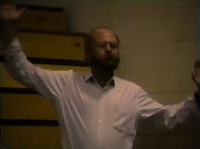
The lecture features environmental activist Dave Foreman, introduced by Bron Taylor at the University of Wisconsin–Oshkosh in 1990. The event situates Foreman’s ideas within the emerging discourse on radical environmentalism and its ethical foundations.

This podcast discusses linalool extraction from rosewood grown in the Amazon rainforest.
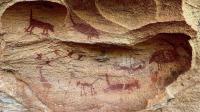
This podcast discusses the work of the archaeologist Niède Guidon and the traces of the first humans in the Americas.