Half a Century of Public Participation to Stop Pollution in the Alviela River, from 1957 to Today
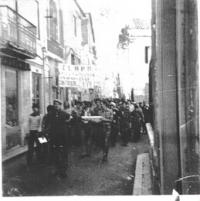
This article examines mobilization and resistance against pollution in the Alviela River in the Santarém municipality, Portugal, since the 1950s.

In 1966, a stray beluga whale swimming up and down the polluted Lower Rhine caught the media’s attention in West Germany.
The Machine upgraded by Dufrayer was able to pump the impressive amount of 20,000 m3 per day but new concern threatened its existence: the Seine waters growing pollution.
The 1831 cholera riot in St. Petersburg was an extreme result of the city’s immense water pollution problem and led to social conflict between the educated classes and the poor people.
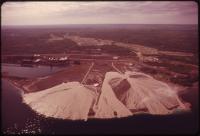
The Reserve Mining Company discharged taconite tailings directly into Lake Superior for 25 years, creating a massive tailings delta and polluting the waters of the lake. When the EPA took Reserve to court in 1973, the town of Silver Bay was divided between a struggle for economic well-being and public health.
Aquatic dead zones result from pollution caused by excessive fertilizer runoff and wastewater discharge. Their number and extent are increasing.
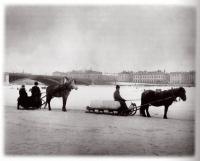
Since its foundation in 1703, the history of St. Petersburg is closely linked to the Neva River. The Neva is the biggest and the most important river in the Eastern Baltic. The citizens of St. Petersburg constructed complex technologies of river control that enabled them to live cheek by jowl with the mighty and self-willed stream.
This case study reflects China’s environmental governance as a constantly evolving structure within the “environment-politics-society” nexus.
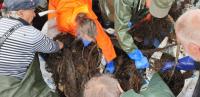
This article follows “the Danish Society for a Living Sea” and their engagement with ghost nets and “local haunting dynamics.”
The St. Petersburg flood of 1824, in which the level of the river Neva rose to the 4 meter 20 centimeter mark, is the greatest in the history of the city. The city did not recover from the destructive effects of the flood until the mid-1830s.