

Brownell, Emily, ed. Grasping Soil: A Syllabus and Essays for the Environmental Humanities. The White Horse Press, 2026.
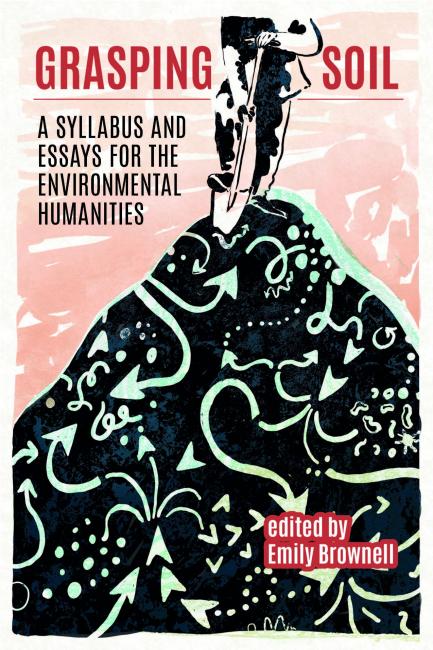
Grasping Soil. Cover.
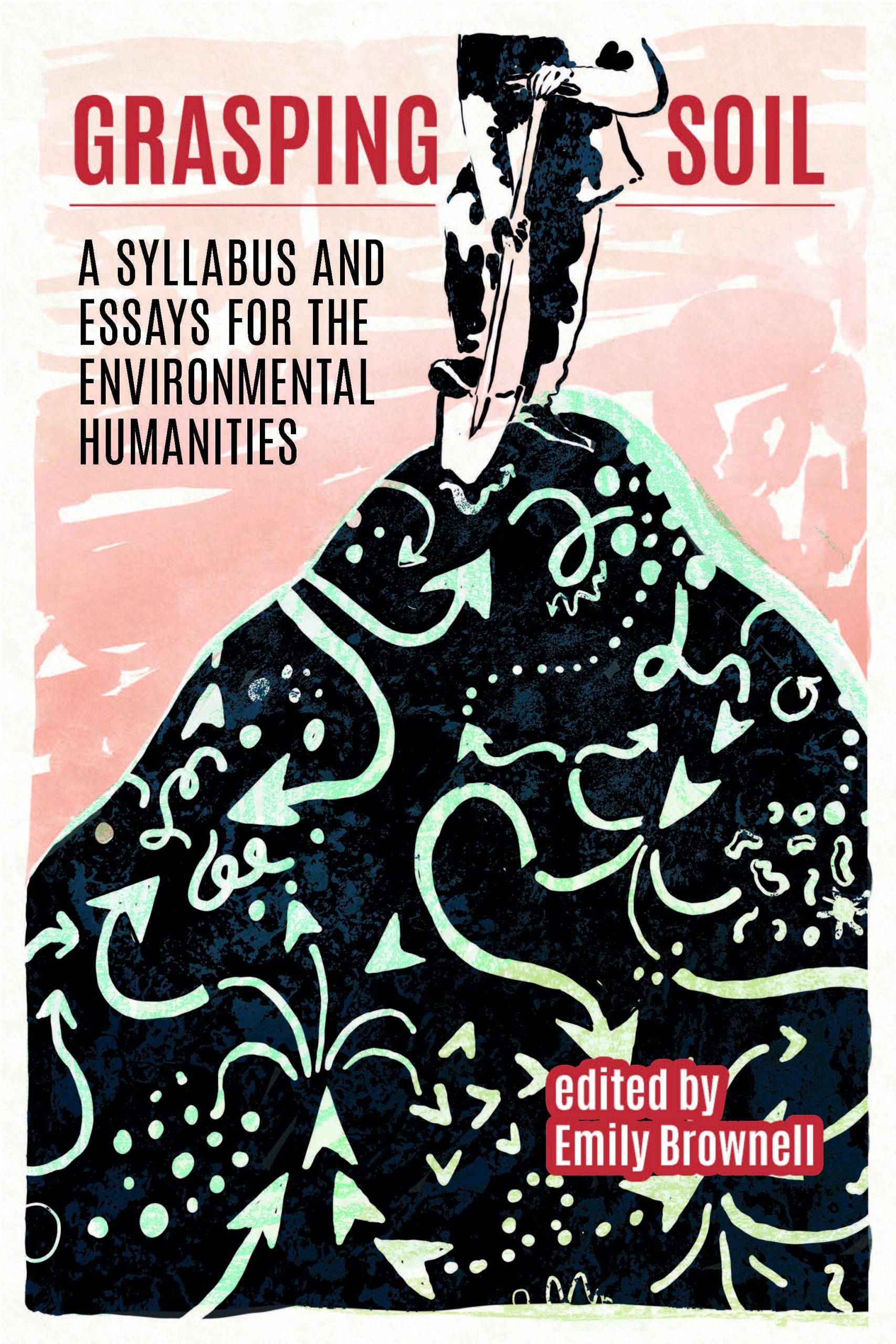
Grasping Soil. Cover.
© 2026 The White Horse Press
This work is licensed under a Creative Commons Attribution-NonCommercial 4.0 International License.
Soil is a nearly ubiquitous presence in our lives, regardless of whether we spend much time noticing it. Soil holds worlds within itself and also builds other worlds; it devours and remakes things; it sustains life and gives cover to the dead. Grasping Soil is a collectively-authored syllabus and series of essays, all examining, with different inflections, the fundamental question: what comes into view when we ‘grasp’ soil as a vessel of human history and point of view for inquiry?
Part I is an interdisciplinary syllabus that traces the contours of a growing body of work in the humanities that uses soil as a bridge between human and more-than-human histories. The syllabus offers a template of readings, discussion questions and assignments with an accompanying website for easy access to the supporting materials. The essays that follow in Part 2 explore particular moments and locations in which communities have modified, depleted or remade soil to suit a particular need. In examining these engagements with soil, each essay provides a particular view on the social, political or economic conditions that they reflect and create. The essays range from mountain top mining in Appalachia to the construction of a load-bearing monolith in Nazi-era Berlin, and the layered, residual histories of agricultural projects in Tanzania. As these essays make clear, soil is a lively presence not an inert recipient of human desires and actions. It is a living and not always governable community with ever-changing stories to tell.
(Source: The White Horse Press)
© 2026 The Authors

This work is licensed under a Creative Commons Attribution 4.0 International License (CC BY-NC 4.0).