


Multimedia | journal article
“Rivers as Battlefields: Ukraine’s Dnipro”
Ukraine’s Dnipro River and nearby inhabitants have lived through brute-force environmental change and war over the last century.
Ukraine’s Dnipro River and nearby inhabitants have lived through brute-force environmental change and war over the last century.
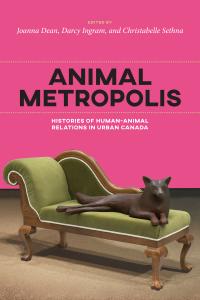
This collection brings a Canadian perspective to the growing field of animal history, ranging across species and cities, from the beavers who engineered Stanley Park to the carthorses who shaped the city of Montreal. Some essays consider animals as spectacle, while others examine the bodily intimacies of shared urban spaces.
Excerpt from Vital Decomposition: Soil Practitioners and Life Politics by Kristina Lyons.
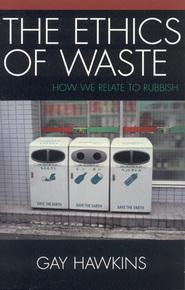
Gay Hawkins puts the ethical significance of waste in everyday life into historical, social, and cultural perspective, seeking to change ecologically destructive practices without recourse to guilt, moralism, or despair.
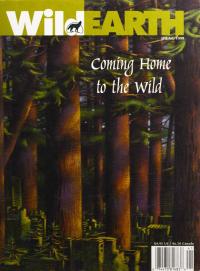
Wild Earth 9, no. 1 features essays on wilderness and spirituality. They center around two slogans: “Rewilding Ourselves” and “Rewilding the Land.”
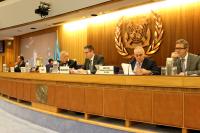
Chapter 5 of the virtual exhibition Toxic Relationships: Uncovering the Worlds of Hazardous Waste.
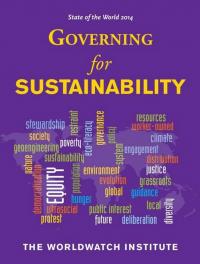
The 2014 edition, marking the Institute’s fortieth anniversary, examines both barriers to responsible political and economic governance as well as gridlock-shattering new ideas.

Earth First! 26, no. 5 features articles on “whale wars,” “immigration and border militarization,” and “the e-waste epidemic.”
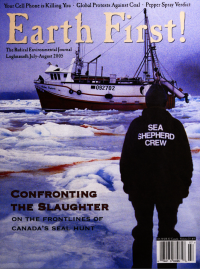
In Earth First! 25, no. 5 Turtle problematizes seal hunt in Canada, Sam and Sprocket refer to the dangers of cellphone communication, and Ron Huber explores the history of Earth First! treehuggers.
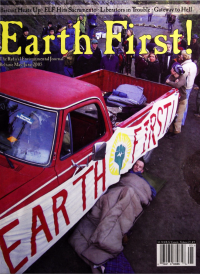
Earth First! 25, no. 4 reports on the protests against logging in the wild Siskyou Mountains in Oregon, on jurisdictional consequences for Earth Liberation Front activists, and features an essay on “Stupidity and Critics of the Ecology Movement.”