

Multimedia | journal article
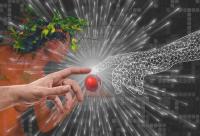
“Multispecies, More-Than-Human, Nonhuman, Other-Than-Human”
A discussion on the terms multispecies, non-human, and more-than-human.
A discussion on the terms multispecies, non-human, and more-than-human.
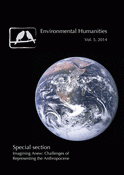
In his article for the special section “Living Lexicon for the Environmental Humanities,” Cameron Muir asks, “how do we respond to the broken, as scholars, writers, artists? And what can the broken tell us?”

Shannon Cram explores the slippery subjectivities of nuclear waste and nature at Washington State’s Hanford Nuclear Reservation, examining how this space is framed as both pristine habitat and waste frontier. She examines Hanford’s biological vector control program through the fruit fly and discusses how vector control uses instances of nuclear trespass to articulate the boundary between contaminated and uncontaminated. She concludes that nature is being recruited to do what the U.S. Department of Energy cannot: solve Hanford’s nuclear waste problem.

In this episode from the New Books Network podcast, Evan Friss is interviewed on his book, The Cycling City: Bicycles and Urban America in the 1890s.
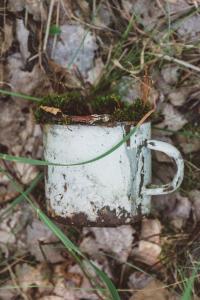
This chapter from the virtual exhibition “The Life of Waste” sheds light on what people think waste is and is not, the cultural and normative conceptions of waste, and forms and landscapes of waste.
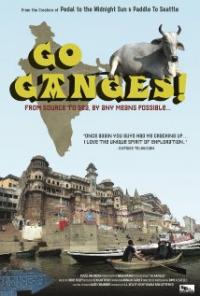
This film follows two friends as they travel the full length of the sacred Ganges River in India.
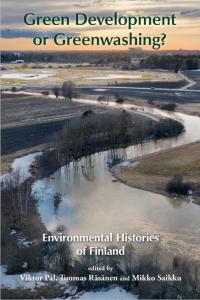
An edited volume examining and challenging the reputed “greenness” of Finland.
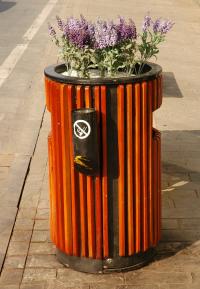
Chapter 6 of the virtual exhibition Toxic Relationships: Uncovering the Worlds of Hazardous Waste.
Taking a closer look at the history of eco-images and their influence in current debates, this issue of RCC Perspectives analyzes the role of visual material in shaping environmental discourses.
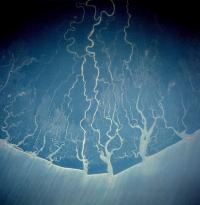
The article focuses on the role of militants in compounding the problem of environmental degradation in the Niger Delta region in Nigeria.