

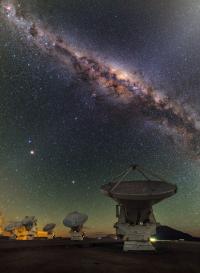
Exhibition chapter
Natural Laboratories | From Hand Lenses to Telescopes
Fifth chapter of Ricardo Rozzi et al.’s virtual exhibition, From Hand Lenses to Telescopes: Exploring the Microcosm and Macrocosm in Chile’s Biocultural Laboratories.
Fifth chapter of Ricardo Rozzi et al.’s virtual exhibition, From Hand Lenses to Telescopes: Exploring the Microcosm and Macrocosm in Chile’s Biocultural Laboratories.
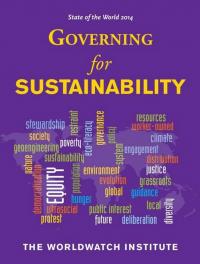
The 2014 edition, marking the Institute’s fortieth anniversary, examines both barriers to responsible political and economic governance as well as gridlock-shattering new ideas.
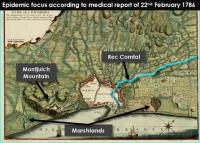
A tertian fever epidemic occurred in Barcelona from 1783 to 1786 and affected approximately one million people.
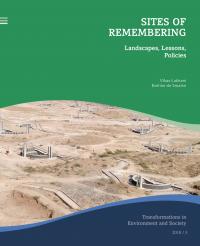
This volume explores the potential contribution memory studies can make to policymaking, in particular on conservation and disaster resilience.

Fourth chapter of Ricardo Rozzi et al.’s virtual exhibition, From Hand Lenses to Telescopes: Exploring the Microcosm and Macrocosm in Chile’s Biocultural Laboratories.
Tathagat Bhatia’s “A Few Hazy Anthropocenes” is a skilfully controlled reflection on haze as both a form of air pollution and a metaphor for the uncertainty of our times. It was one of the two honorable mentions in the nonfiction category of the RCC environmental writing competition “Tell the Untold!”

This article looks at extreme droughts in Istanbul to understand the nineteenth-century changes in the Ottoman State.
A poetic descent into illness parallels a whale fall, uncovering beauty, vulnerability, and new forms of living.


Lajos Rácz, Carson Fellow from June 2010 to June 2011, talks about his research project, “An Environmental History of Hungary.”