

Multimedia | film profile
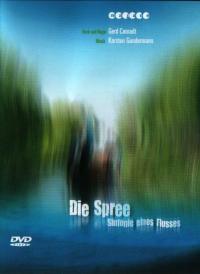
Die Spree: Sinfonie eines Flusses [The Spree: Symphony of a River]
This film examines the roles and impact of Berlin’s Spree River, accompanied by a specially composed symphony from Karsten Gundermann.
This film examines the roles and impact of Berlin’s Spree River, accompanied by a specially composed symphony from Karsten Gundermann.
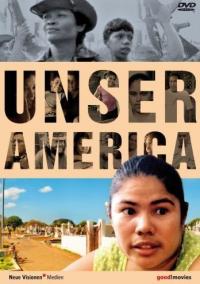
This film follows a woman who returns to modern, neoliberal Nicaragua to find the Sandinista woman soldier she filmed during the armed rebellion over two decades earlier.
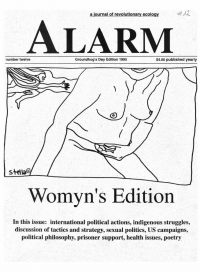
This issue of the ALARM is produced by women only. It is dedicated to the struggle to smash down patriarchy and save the planet, expresses solidarity with activists struggling against capitalist-patriarchal devastation as womyn, and “affirms our existence and our power on the front lines of the resistance.” Aimee Mostwill discusses pregnancy, abortion, and overpopulation; Judi Bari explains “why I am not a misanthrope.”
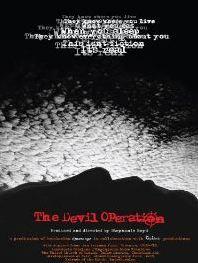
This film follows Father Marco, a priest who has earned a price on his head because of his opposition to Peru’s powerful mining companies.
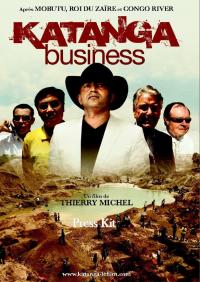
This film examines a mine that acts as a microcosm for globalization; illegal and legal workers, local and foreign businessmen, and politicians all navigate the new alliances that modern Africa demands.
This animated film tells the story of a family which lived in the village next to the Chernobyl reactor, and whose lives were destroyed during the 1986 disaster.
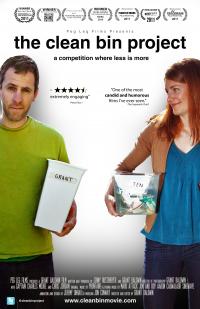
A couple competes to live with zero waste for a whole year, with comedic results.
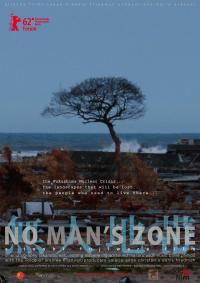
This film examines the lives of the people affected by the Fukushima Daiichi nuclear disaster.

This film explores how various communities around the world are transitioning to a more sustainable and local way of life.

Live Wild or Die! no. 7 declares its attempt to be “unity” issue, crossing the boundaries that separate different movements. The issue covers fascism, work as wage-slavery, green anarchy, the millennium bug, and sexual liberation.