


Multimedia | Env. blogs & websites
Ant Spider Bee
The Ant Spider Bee blog explores, discusses, and reflects on digital humanities practices, methodologies, and applications in environmental humanities work.
The Ant Spider Bee blog explores, discusses, and reflects on digital humanities practices, methodologies, and applications in environmental humanities work.
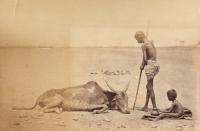
This is a chapter of the virtual exhibition “Famines in Late Nineteenth-Century India: Politics, Culture, and Environmental Justice”—written and curated by sociologist Naresh Chandra Sourabh and economic historian Timo Myllyntaus.
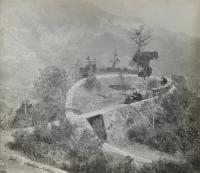
This is a chapter of the virtual exhibition “Famines in Late Nineteenth-Century India: Politics, Culture, and Environmental Justice”—written and curated by sociologist Naresh Chandra Sourabh and economic historian Timo Myllyntaus.
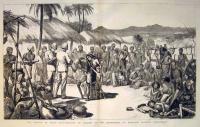
This is a chapter of the virtual exhibition “Famines in Late Nineteenth-Century India: Politics, Culture, and Environmental Justice”—written and curated by sociologist Naresh Chandra Sourabh and economic historian Timo Myllyntaus.

This is a chapter of the virtual exhibition “Famines in Late Nineteenth-Century India: Politics, Culture, and Environmental Justice”—written and curated by sociologist Naresh Chandra Sourabh and economic histrorian Timo Myllyntaus.
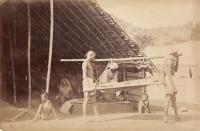
This is a chapter of the virtual exhibition “Famines in Late Nineteenth-Century India: Politics, Culture, and Environmental Justice”—written and curated by sociologist Naresh Chandra Sourabh and economic historian Timo Myllyntaus.
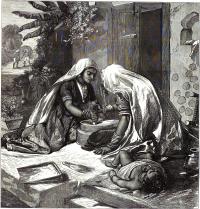
This is a chapter of the virtual exhibition “Famines in Late Nineteenth-Century India: Politics, Culture, and Environmental Justice”—written and curated by sociologist Naresh Chandra Sourabh and economic historian Timo Myllyntaus.
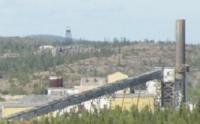
This project examines the history and legacy of arsenic contamination at Giant Mine, a large gold mine located on the Ingraham Trail just outside of Yellowknife, Northwest Territories, Canada.
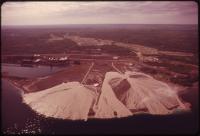
The Reserve Mining Company discharged taconite tailings directly into Lake Superior for 25 years, creating a massive tailings delta and polluting the waters of the lake. When the EPA took Reserve to court in 1973, the town of Silver Bay was divided between a struggle for economic well-being and public health.

This is a part of the virtual exhibition “Famines in Late Nineteenth-Century India: Politics, Culture, and Environmental Justice”—written and curated by sociologist Naresh Chandra Sourabh and economic historian Timo Myllyntaus.