


Multimedia | book profile
The Population Bomb
The Population Bomb criticizes overpopulation and advocates instant action to limit population growth. The author justifies his arguments with huge starvation threats and other trouble spots.
The Population Bomb criticizes overpopulation and advocates instant action to limit population growth. The author justifies his arguments with huge starvation threats and other trouble spots.
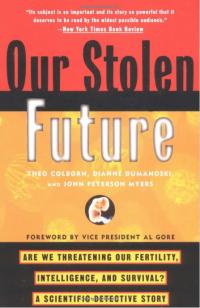
Our Stolen Future examines the ways that certain synthetic chemicals interfere with hormones in humans and wildlife, especially in the development of the fetus in the womb.

First published in 1854, Walden details Thoreau’s experiences over the course of two years in a cabin amidst woodland near Walden Pond.

Small Is Beautiful was first published in 1973 and still offers a crucial message for the modern world struggling to balance economic growth with the human costs of globalization.

The Monkey Wrench Gang fueled a new generation of angry young environmentalists (such as Earth First!) who practice monkey-wrenching, or sabotage for the sake of protecting the wilderness.
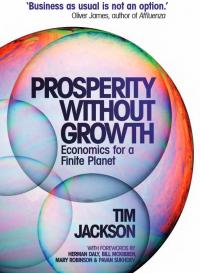
In Prosperity without Growth, Tim Jackson—a sustainability adviser to the UK government—makes a compelling case against continued economic growth in developed nations.

Child advocacy expert Richard Louv directly links the lack of nature in the lives of today’s wired generation—he calls it nature-deficit—to some of the most disturbing childhood trends, such as the rises in obesity, attention disorders, and depression.

Bill Bryson introduces the history and ecology of the Appalachian Trail.
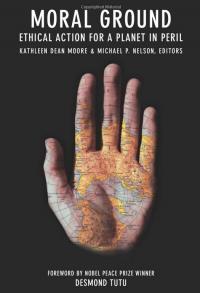
Moral Ground presents a diverse and compelling call to honor our individual and collective moral responsibility to our planet.

Barlow draws on her extensive experience and insight as a water activist to lay out a set of key principles that show the way forward to what she calls a “water-secure and water-just world.”