

Multimedia | image
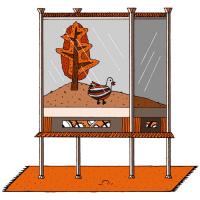
Chirping Machine
The human species has substantially altered the Earth. We are even able to artificially recreate nature, such as a machine that can imitate the movement and sound of birds.
The human species has substantially altered the Earth. We are even able to artificially recreate nature, such as a machine that can imitate the movement and sound of birds.
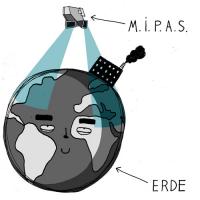
In the 1980s, the findings of Paul Crutzen and his team were used as the basis for the Montreal Protocol’s ban on the use of chlorofluorocarbons (CFCs), identified as the primary cause for the hole in the ozone layer.
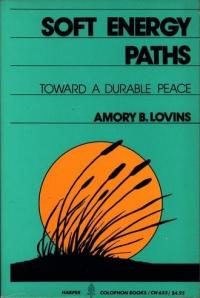
Soft Energy Paths serves as an important historic milestone: an intelligent and convincing argument for conservation and the use of renewable energy.

Energy innovator Amory Lovins shows how to get the United States off oil and coal by 2050 cheaply and easily, by integrating sectors as well as innovations.
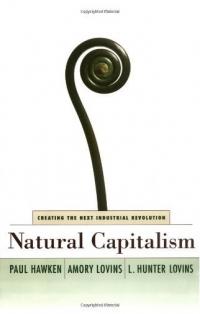
Natural Capitalism: Creating the Next Industrial Revolution reveals how today’s global businesses can be both environmentally responsible and highly profitable.
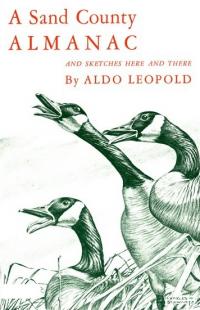
Aldo Leopold’s A Sand County Almanac has enthralled generations of nature lovers and conservationists and is indeed revered by everyone seriously interested in protecting the natural world.
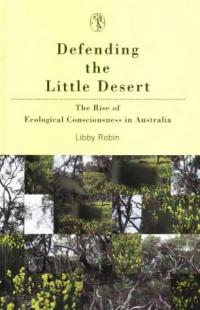
The Little Desert dispute of 1968 was a watershed in Australian environmental politics, marking the beginning of a new consciousness of nature.

The Global Environments Summer Academy (GESA) is designed to broaden and deepen the knowledge, networking, and communication skills of postgraduate students, professionals, and activists who are concerned about human dimensions of environmental challenges.
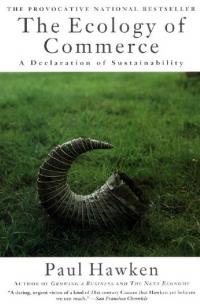
The Ecology of Commerce outlines the environmentally destructive aspects of many current business practices, and offers the vision of businesses adopting new practices to promote environmental restoration.
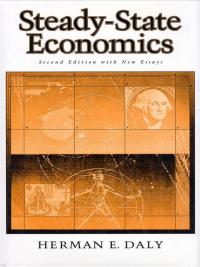
First published in 1977, Steady-State Economics caused a sensation because of Herman E. Daly’s radical view that “enough is best.”