

Multimedia | image
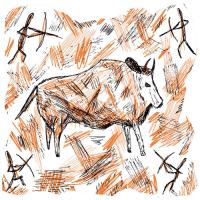
Altamira Cave
In 1879, eight-year-old Maria Justina discovered spectacular paintings in the Altamira cave in northern Spain.
In 1879, eight-year-old Maria Justina discovered spectacular paintings in the Altamira cave in northern Spain.
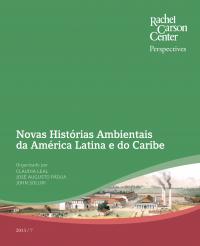
Esta coletânea reúne alguns dos principais estudiosos das histórias ambientais da América Latina e do Caribe. Ela sugere novas perspectivas para discutir o desenvolvimento do continente no período pós-colonial. Estes ensaios narram histórias variadas sobre as interações complexas entre sociedades, estados, territórios e ecossistemas. Eles questionam narrativas anteriormente aceitas e abrem novos horizontes de interpretação.

Boyan Slat combines environmentalism, creativity, and technology to tackle global issues of sustainability and pollution.
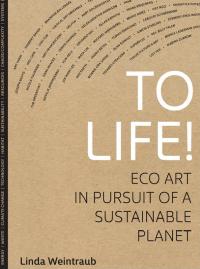
This book documents the burgeoning eco art movement from A to Z, presenting a panorama of artistic responses to environmental concerns.
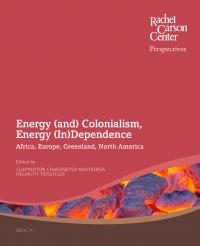
American knowledge of British coal practices had at least two crucial implications for the timing and shape of the nation’s first fossil fuel energy transition. This story suggests that attention to transnational contexts can help us better understand how, when, and why energy transitions occur.
This essay considers how the Kaprun project launched by Germany drove two critical but neglected energy transitions in postwar Austria.
About eight percent of Earth’s freshwater is located in Greenland. Theoretically, this would mean that Greenland has some of the greatest potential for hydropower in the whole world. However, nearly all its freshwater is permanently frozen.

In October 1861 Philipp Reis presented his “telephone” to the members of the physics association in Frankfurt.
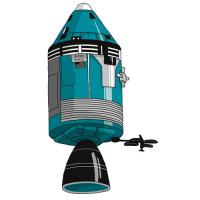
On his Apollo mission in 1968, astronaut Bill Anders shot one of the most well-known photographs of the Earth—“Earthrise.” It became a symbol for the fragility of the Earth and an icon for the environmental movement that soon followed.