Nature of the Miracle Years: Conservation in West Germany, 1945-1975
Nature of the Miracle Years traces the gradual development of the German conservation movement through the democratization perido of postwar German society.
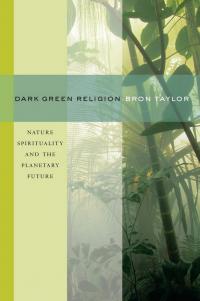
Bron Taylor examines the evolution of “green religions” in North America and beyond.
Thomas R. Dunlap discusses the development of birding and its long-term public influence in the USA through the history of field guides.
This collection highlights three quintessentially Canadian themes: seasonality, links between mobility and natural resource development, and urbanites’ experiences of the environment through mobility. It divides the intersection of environmental and mobility history into two approaches. The chapters in the first section deal primarily with the construction and productive use of mobility technologies and infrastructure, as well as their environmental constraints and consequences. The chapters in the second section focus on consumers’ uses of those vehicles and pathways: on pleasure travel, tourism, and recreational mobility.

Until the project was finally abandoned in 1989, the Kaiseraugst nuclear power plant was the focus of Swiss disputes on nuclear energy for almost twenty years. In this case study, Patrick Kupper pursues the question of how an electro-technical infrastructure project could become the focal point of discourse about common basic values of Swiss society.
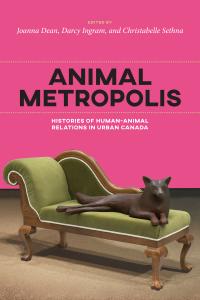
This collection brings a Canadian perspective to the growing field of animal history, ranging across species and cities, from the beavers who engineered Stanley Park to the carthorses who shaped the city of Montreal. Some essays consider animals as spectacle, while others examine the bodily intimacies of shared urban spaces.
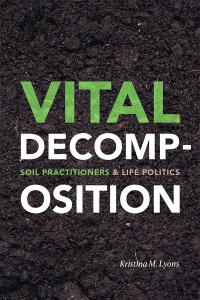
Excerpt from Vital Decomposition: Soil Practitioners and Life Politics by Kristina Lyons.
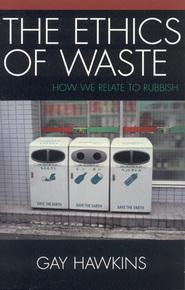
Gay Hawkins puts the ethical significance of waste in everyday life into historical, social, and cultural perspective, seeking to change ecologically destructive practices without recourse to guilt, moralism, or despair.
The 2014 edition, marking the Institute’s fortieth anniversary, examines both barriers to responsible political and economic governance as well as gridlock-shattering new ideas.
Jennifer Clapp examines the nature of international trade in toxic waste and the roles of multinational corporations and environmental NGOs. Waste transfer has become a routine practice for firms in industrialized countries and poor countries accept these imports but struggle to manage the materials safely. She argues that governments have failed to recognize the voices of protest.