

Multimedia | book profile
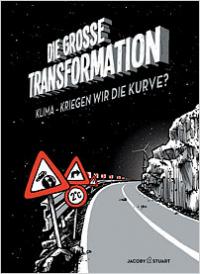
Die große Transformation [The Great Transformation]
This graphic book uses cartoon illustrations to present scientific facts alongside a broad range of actions that we can take against climate change.
This graphic book uses cartoon illustrations to present scientific facts alongside a broad range of actions that we can take against climate change.
In State of the World 2008: Innovations for a Sustainable Economy, researchers with the Worldwatch Institute and other leading experts highlight an array of economic innovations that offer new opportunities for long-term prosperity.
Through interdisciplinary work in the circumpolar north, About the Hearth refocuses on issues of material culture and social organization in indigenous and local communities. In the process, it makes some compelling ethnographic and theoretical arguments.

Barbara Freese takes us on a rich historical journey that begins hundreds of millions of years ago and spans the globe. Coal is a captivating narrative about an ordinary substance with an extraordinary impact on human civilization.
This book seeks to explain what science and politics are in the context of environmental policymaking and how the interplay of science and politics influences international environmental policy.
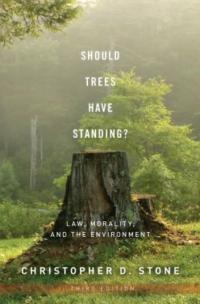
Should Trees Have Standing? continues to serve as the definitive statement as to why trees, oceans, animals, and the environment as a whole should be bestowed with legal rights.

Excerpt from Eco-Theology: Essays in Honor of Sigurd Bergmann. Professor Sigurd Bergmann is a former fellow at the Rachel Carson Center.
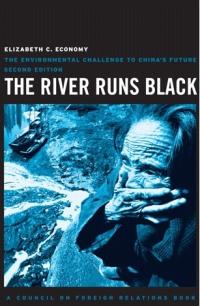
In The River Runs Black, Elizabeth C. Economy examines China’s growing environmental crisis and its implications for the country’s future development.
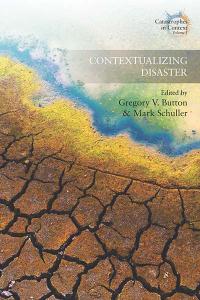
Contextualizing Disaster presents “highly visible” disasters as well as “slow and hidden” disasters, and how different parties involved in recovery processes contextualize them.
Excerpt from Thoreau’s Religion: Walden Woods, Social Justice, and the Politics of Asceticism, a new interpretation of Thoreau’s Walden.