Doomed to Suffer in Silence? Living with Pollution in Industrialized Rural China
Rural villagers in China have a sophisticated awareness of the risks they face due to pollution, yet they often feel that they are helpless to improve their situation.

Sandlos and Keeling explore Indigenous resistance to arsenic pollution. Indigenous communities mobilized knowledge around environmental pollution and its health impacts. The authors show how this resistance to environmental racism is connected to other Indigenous struggles over industrial development and to issues such as land claims, sovereignty, and colonial dispossession.
This article examines mobilization and resistance against pollution in the Alviela River in the Santarém municipality, Portugal, since the 1950s.
Chronicles how industry developed a continental perspective in a shared regional space, the mineralized West, and how successful efforts of governments and citizens to protect the environment evolved.
In 1969, the Danish environmental organization NOAH is established, following a spectacular happening at the University of Copenhagen.
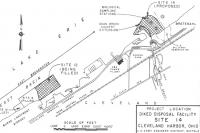
Environmental activism in the 1960s forced the Army Corps of Engineers to limit the open-water dumping of dredge spoils in the Great Lakes and create new “natural” areas along the shore.
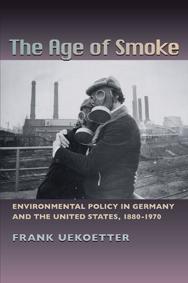
A comparative history of environmental policy development in Germany and the United States from 1880 to 1970, and the rise of civic activism to combat air pollution.
As Himalayan wildlife is endangered by improper waste disposal practices, activist groups like Waste Warriors are working to solve this crisis.
These essays showcase examples from Canada and Western Europe, offering insights into how different forms of environmental knowledge and environmental politics come to be seen as legitimate or illegitimate.
This film investigates the crises facing China’s environment from the perspectives of four activists.