

Multimedia | book profile
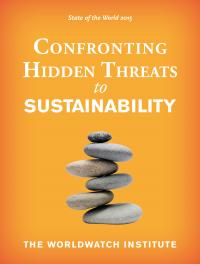
State of the World 2015: Confronting Hidden Threats to Sustainability
The 2015 edition examines what we think we know about environmental damage and the hidden threats to sustainability we need to recognize.
The 2015 edition examines what we think we know about environmental damage and the hidden threats to sustainability we need to recognize.

This article analyzes how people in the Bolivian Andes cope with environmental stress. Specifically, it examines the role environmental migration - a strategic mechanism to build up financial, productive, and social capital - plays in how people cope with climate change.
This article applies new understandings of environmental justice theory to a specific local case study. It uses a broader conception of environmental justice theory to further our understanding of the rise of the German anti-nuclear movement.
The aim of the paper is to understand our predecessors’ understanding of their environmental predicament and any contingent steps they may have taken, in order to put in context the contingencies of our own understanding.
The article discusses the role of native trees as representatives of national identity and belonging.

Live Wild or Die! no. 8 shows the progressively radical vision of the magazine and the increasingly large chasm separating it from the mainstream of Earth First! It features musings about industrial society collapse, essays by John Zerzan and Ted Kaczynski, and reports on ELF actions and GMOs.
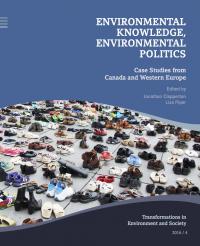
These essays showcase examples from Canada and Western Europe, offering insights into how different forms of environmental knowledge and environmental politics come to be seen as legitimate or illegitimate.
Sandlos and Keeling explore Indigenous resistance to arsenic pollution. Indigenous communities mobilized knowledge around environmental pollution and its health impacts. The authors show how this resistance to environmental racism is connected to other Indigenous struggles over industrial development and to issues such as land claims, sovereignty, and colonial dispossession.
Janovicek’s article studies the back-to-the-land movement of the 1960s and 1970s. By learning, preserving, and sharing traditional agricultural skills and knowledge, back-to-the-landers contributed to the revitalization of local food economies. The links they made connected them to others in their communities and to other generations of activists.

Environment and Citizenship in Latin America reveals the strong connections between environmentalism, citizenship, national identity, political participation and resources in Latin America.