Further Reading | Radical Environmentalism’s Print History
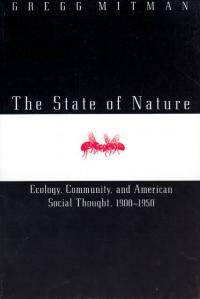
Bron Taylor compiles a selected bibliography on literature connected to the history of radical environmental movements in the United States.
This four-page newsletter describes the ongoing battles between Earth First! and the logging industry, as well as the variety of tactics they employed against the destruction Sanctuary Forest and the Albion River watershed.
This four-page newsletter from the Ukiah Earth First! chapter recounts a number of actions taken in protest against the clearing of old-growth redwoods, provides an update on the Cahto Wildnerness Coalition lawsuit, and shares a call to action.
Benelux Association for the Study of Art, Culture, and the Environment (BASCE) is an interdisciplinary tri-national platform through which all those who are interested in the relation between art, culture, and environmental issues in Belgium, the Netherlands and Luxemburg can be informed about the latest national and international developments.
This 1988 newsletter was created by the Earth First! Redwood Action Team. It includes updates on court hearings and lawsuits, preservation proposals, and a call to action.
Digital Environmental Humanities is a portal that explores how new digital technologies might be better used to showcase environmental humanities research.
William Major examines the need to understand pacifism and environmentalism as essentially consonant philosophies and practices.
Patrick Bresnihan reveals how John Clare’s poetry challenged the naturalization of scarcity, instead describing the different natures which unfold through ongoing, negotiated, and changing relations between people and things.
By privileging music as a focus for applied ecology, Robin Ryan aims to deepen perspectives on the musical representation of land in an age of complex environmental challenge.
Looking to the work of Samuel R. Delaney, Sarah Ensor asks what it would mean to use the practice of cruising as a model for a new ecological ethic more deeply attuned to our impersonal intimacies with the human, nonhuman, and elemental strangers that constitute both our environment and ourselves.