Life as a Hunt: Thresholds of Identities and Illusions on an African Landscape
Life as a Hunt chronicles the history of the Valley Bisa people, their evolving landscapes and knowledge, and the ‘conservation battlefield’ their homeland has become.
A fierce land-use dispute evolved over the temperate rainforests of the Haida Gwaii Islands in British Columbia, Canada, in 1974.
Recognizing elephants as moral actors in the institutional space of the elephant stable, Piers Locke reconceives traditionally humanist ethnography as interspecies ethnography.
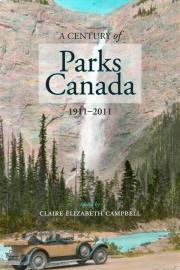
Over the past century, the Parks Canada agency has been at the center of important debates about the place of nature in Canadian nationhood and relationships between Canada’s diverse ecosystems and its communities. This edited volume explores its history as a rich repository of experience, of lessons learned—critical for making informed decisions about how to sustain the environmental and social health of Canada’s national parks.
Using the example of the Stirling Range National Park, Andrea Gaynor shows that the dualistic practice of reservation does not necessarily ensure the preservation or conservation of landscapes and ecosystems.
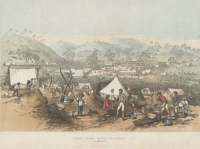
Once a denuded gold mining landscape, now a National Heritage Park, this place is site of emerging environmental histories of post-colonizing, post-mining lands.
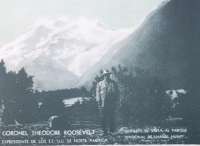
A photograph of Theodore Roosevelt visiting the Nahuel Huapi National Park in Argentina, 1913.
This article focuses on the loss of the Sambisa Forest as a game reserve due to the conflict between the Nigerian army and the terrorist group Boko Haram.
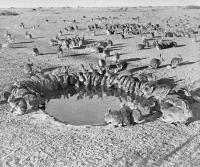
This article thinks differently about the belonging of rabbits in Ku-ring-gai Chase National Park, Australia.
Alice B. Kelly Pennaz traces the complex history of the United States (US) Park Ranger through time to show how the Ranger as an outward embodiment of state power has been contradicted by administrative and practical logics directing rangers to educate, welcome, and guide park visitors.