Bio-invasions, Biodiversity, and Biocultural Diversity: Some Problems with These Concepts for Historians
This article looks at whether biocultural diversity be developed as a more totalising idea that is useful for historians.
Conservation areas within the Korean demilitarized zone generate new “natures” that are deeply political and enmeshed in evolving relations among humans and nonhumans, as seen using the example of migratory cranes.
In this issue of Earth First! Journal John Green brings news from Alaska regarding the suspension of killing wolves. In addition, Carolyn Moran, the editor of magazine Talking Leaves, discusses tree-free paper and waste, and Judi Bari reveals the secret history of tree spiking.
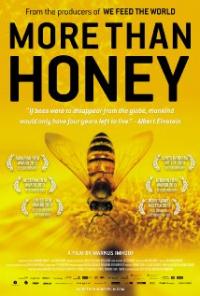
This film focuses on the causes of the decimation of honey bees and their hives around the globe, a phenomenon called “colony collapse disorder,” and its consequences for not only the economy but for humans’ very survival.
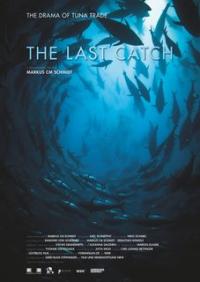
This film focuses on the struggle for survival faced both by European bluefin tuna and the fishermen who depend on them for their livelihoods.
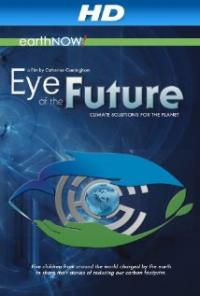
This drama shows how five children of United Nations ambassadors are called upon by Earth to create a sustainable future and find solutions to prevent further damage.
“Nuclear Ghosts” explores the history of the Tennessee Valley Authority’s failed nuclear power project in rural Tennessee, the enviro-technological controversy the plant generated, and why nuclear power was seen as a threat not only to lives but also a way of life, one intimately connected to the American South’s culture and environment.
The history of Puckapunyal Military Training Area illustrates how war and the environment interact in sometimes unexpected ways.
Ursula Münster shows us in her essay on silenced and silent practices of avian care in a postcolonial conservation landscape of South India, that care is never innocent, it plays out within established hierarchies and power relations, and it can reinforce long traditions of imperialism and exclusion.
Susanne Schmitt explores the multifaceted ways in which the Syngnathid family is caught up in networks of care and storytelling.