Interview with Alice Crary and Lori Gruen, authors of Animal Crisis: A New Critical Theory
In this episode from the New Books Network podcast, Alice Crary and Lori Gruen are interviewed on their recent book, Animal Crisis: A New Critical Theory.
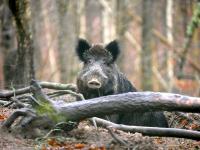
Fencing for biosecurity reasons is a contentious topic among pig farmers, environmental organizations, politicians, and borderland communities.
This article traces how Bishnoi religious beliefs have informed environmental activism as well as present-day forest conservation and wildlife-protection strategies in the Thar Desert, India.
This essay examines how military, technology, and nature converge in the Israeli griffon vulture project and what politics stand behind it.
This artistic contribution explores sensory engagement with contamination caused by oil-waste pits in the Ecuadorian Amazon.
This article situates contemporary debates over kangaroo-population management within Australia’s violent history of settler-colonial occupation and attendant environmental transformations.
When is it defensible to keep birds in confinement, and what do we owe those who escape?
Excerpt from Insectopolis: A Natural History by Peter Kuper.
The work of two biologists in remote forests shows that species recovery depends on both data and human–animal bonds forged in the field, as Monica Vasile writes.
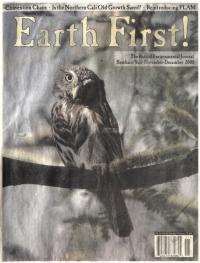
Earth First! 29, no. 1 reports on the movement’s victory against the Pacific Lumber Company, the climate and anti-racist camp in Germany, the Northeast Climate Confluence, the international movement of camps and convergences for climate action, and repression against animal activists in Austria.