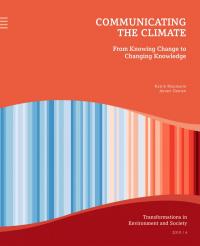
Rescuing Climate Data as a Scientific and Communication Bridge
Ashcroft explores how citizen science can connect professional scientists and the public.
Shortis suggests that the World Park Antarctica campaign offers a positive example of an environmental campaign that includes but does not center scientific authority.
Brill explores the relationship between “Science” and “the sciences”, and the political potential of the two, in the context of research cooperations involving indigenous groups.
Tabak explores the potential of novels for communicating about climate change.
Martinez emphasizes the importance of adapting climate communication strategies to local situations.
This article explores the materialization of the Anthropocene at the local level.
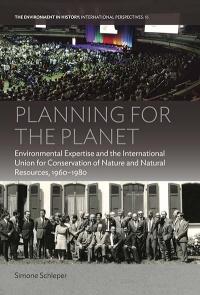
This book reveals how IUCN experts struggled to make global schemes for nature conservation a central concern for UNESCO, UNEP and other intergovernmental organizations.
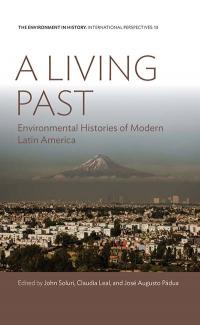
This collection of studies provides valuable historical contexts for making sense of contemporary environmental challenges facing Latin America.
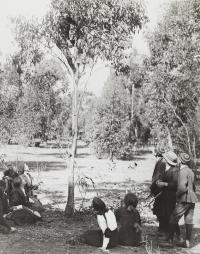
An early Australian conservationist offers a window onto the ways in which nature was once valued.
Historian Christian Kehrt presents a short biographical profile of geologist and polar explorer Alfred Wegener, with historic photographs. Wegener’s diaries from his three Greenland expeditions (1906–1931)—digitized, transcribed, and translated—are the focus of this Virtual Exhibition.