

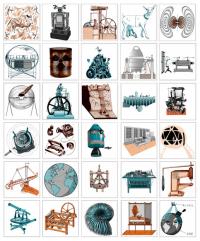
Exhibition chapter
Milestones of the Anthropocene | Welcome to the Anthropocene
This is a chapter of the virtual exhibition “Welcome to the Anthropocene: The Earth in Our Hands”—written and curated by historian Nina Möllers.
This is a chapter of the virtual exhibition “Welcome to the Anthropocene: The Earth in Our Hands”—written and curated by historian Nina Möllers.

This is a chapter of the virtual exhibition “Welcome to the Anthropocene: The Earth in Our Hands”—written and curated by historian Nina Möllers.
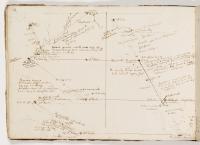
In this chapter of the virtual exhibition “Ludwig Leichhardt: A German Explorer’s Letters Home from Australia,” cultural studies researcher Heike Hartmann presents the traveps of Dr. Leichhardt’s letters—from the unexplored expanses of Australia to the archives of the Deutsches Museum.
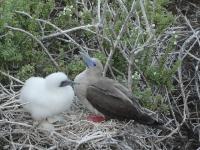
The Galapagos Islands National Park, which was established in 1959, shelters Charles Darwin’s showcase of evolution and has become a testing field for international nature conservation concepts.
Esta coletânea reúne alguns dos principais estudiosos das histórias ambientais da América Latina e do Caribe. Ela sugere novas perspectivas para discutir o desenvolvimento do continente no período pós-colonial. Estes ensaios narram histórias variadas sobre as interações complexas entre sociedades, estados, territórios e ecossistemas. Eles questionam narrativas anteriormente aceitas e abrem novos horizontes de interpretação.

When Jacques Piccard started his first deep-sea expedition in 1960, the world’s oceans still seemed healthy and clean.
This interview with Paul Crutzen is a chapter of the virtual exhibition “Welcome to the Anthropocene: The Earth in Our Hands”—written and curated by historian Nina Möllers.

The Global Environments Summer Academy (GESA) is designed to broaden and deepen the knowledge, networking, and communication skills of postgraduate students, professionals, and activists who are concerned about human dimensions of environmental challenges.
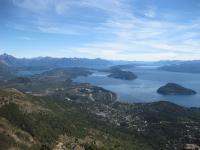
Latin America’s first national park derived from private and public ideas and became a template for regional conservation.