“Fishing for Sharks”
In this Springs article, Miles Powell discusses the history of shark fishing and the impact it had on shark populations as well as how these practices have evolved to this day.
Traces the changing relationships between the fish resources and the people of the Great Lakes region.
Håvald Hansen of Fanasgieddi in Tana emphasizes that sustaining Sami fishing traditions, local control, and respect for salmon are essential to protecting cultural identity and livelihoods despite legal and environmental challenges.
A long struggle on the part of the Mi’gmaq community of Listuguj to continue fishing, despite arrests and financial pressures, has cleared the way for the resurgent power of Mi’gmaq law to govern the fishery, and to face the salmon aquaculture industry with confidence.
Bjarne Johansen advocates for the restoration of coastal Sami fishing rights and stricter limits on river and salmon farming practices to protect wild salmon, cultural traditions, and fjord communities from environmental and regulatory harm.
Steinar Pedersen calls for greater scrutiny of salmon aquaculture’s impacts on Sami communities, urging responsible, transparent industry practices that protect wild salmon, respect Indigenous rights, and sustain traditional livelihoods.
David Frank, Paul Robinson, and Wally Samuel highlight how the Ahousaht Nation navigates fish farming by balancing economic benefits, environmental stewardship, and cultural values through local governance and negotiated agreements.
Katie Beach examines how Ahousaht Nation navigates fish farming impacts on their traditional territories—addressing sea lice, escaped farmed fish, and other ecological threats—through negotiated agreements, collaborative research, and stakeholder-inclusive management.
Otto Andreassen advocates for the utilization of a framework compromising environmental, economic, social, and institutional dimensions to address the multifaceted challenges of the Norwegian salmon farming industry and to achieve a holistic sustainability.
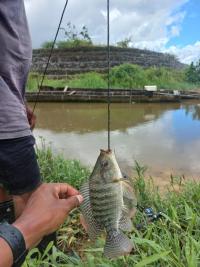
Indonesian state experts introduced invasive species into West Papua, a deliberate ecological disruption that advances a colonial agenda disguised as development.