

Arcadia
Mumbai’s Doongerwadi Forest: Revisiting the Death of Nature in the Future City
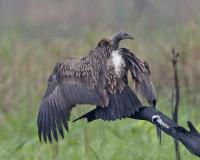
This article explores the past and future of one of Mumbai’s largest city forests.
This article explores the past and future of one of Mumbai’s largest city forests.
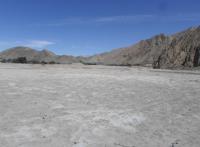
This article is an exploration of the chemical heritage of mining activities in northern Chile.
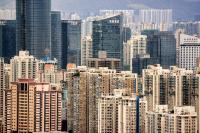
This is a chapter of the virtual exhibition “Welcome to the Anthropocene: The Earth in Our Hands”—written and curated by historian Nina Möllers.
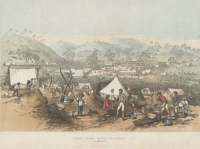
Once a denuded gold mining landscape, now a National Heritage Park, this place is site of emerging environmental histories of post-colonizing, post-mining lands.

This piece examines the historical context of industrial heritage tourism of the post-industrial landscape at the São Domingos Mine in southeastern Portugal.
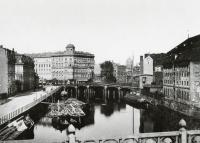
Peat was a widely used fuel in mid-nineteenth-century Berlin that acted as a bridge in the energy transition between firewood and coal.

Despite being subject to censorship and restrictions, photographs of US military bases can reveal patterns of unsustainability. This is a chapter of the virtual exhibition “Representing Environmental Risk in the Landscapes of US Militarization,” written and curated by literary scholar Hsu Hsuan.

The construction of the Serre-Ponçon dam in 1955 was the first step in the development of dams in the Durance River, the most regulated waterway in France

Literary scholar Hsu Hsuan writes about how monuments affect the way we percieve a landscape and its history. This is a chapter of the virtual exhibition “Representing Environmental Risk in the Landscapes of US Militarization.”
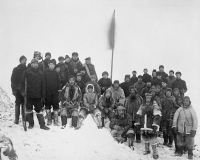
To whom does the Northwest Passage belong? Historian Elene Baldassarri writes about the politics of the Far North. This is a chapter of the virtual exhibition “The Northwest Passage: Myth, Environment, and Resources.”