


Exhibition chapter
About the exhibition | Welcome to the Anthropocene
This is a chapter of the virtual exhibition “Welcome to the Anthropocene: The Earth in Our Hands”—written and curated by historian Nina Möllers.
This is a chapter of the virtual exhibition “Welcome to the Anthropocene: The Earth in Our Hands”—written and curated by historian Nina Möllers.
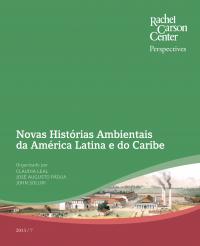
Esta coletânea reúne alguns dos principais estudiosos das histórias ambientais da América Latina e do Caribe. Ela sugere novas perspectivas para discutir o desenvolvimento do continente no período pós-colonial. Estes ensaios narram histórias variadas sobre as interações complexas entre sociedades, estados, territórios e ecossistemas. Eles questionam narrativas anteriormente aceitas e abrem novos horizontes de interpretação.

Boyan Slat combines environmentalism, creativity, and technology to tackle global issues of sustainability and pollution.
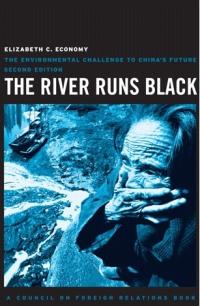
In The River Runs Black, Elizabeth C. Economy examines China’s growing environmental crisis and its implications for the country’s future development.
This interview with Paul Crutzen is a chapter of the virtual exhibition “Welcome to the Anthropocene: The Earth in Our Hands”—written and curated by historian Nina Möllers.
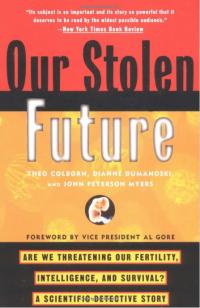
Our Stolen Future examines the ways that certain synthetic chemicals interfere with hormones in humans and wildlife, especially in the development of the fetus in the womb.
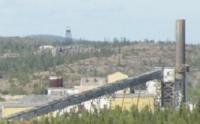
This project examines the history and legacy of arsenic contamination at Giant Mine, a large gold mine located on the Ingraham Trail just outside of Yellowknife, Northwest Territories, Canada.
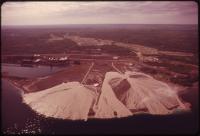
The Reserve Mining Company discharged taconite tailings directly into Lake Superior for 25 years, creating a massive tailings delta and polluting the waters of the lake. When the EPA took Reserve to court in 1973, the town of Silver Bay was divided between a struggle for economic well-being and public health.
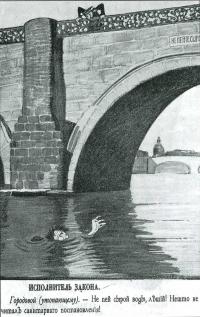
In this chapter of their virtual exhibition “‘Commanding, Sovereign Stream’: The Neva and the Viennese Danube in the History of Imperial Metropolitan Centers,” the authors discuss similarities and differences in the history of water supply, pollution, and waste management in St. Petersburg and Vienna.