

Multimedia | image
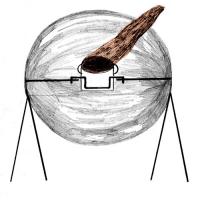
Solar Energy
Due to destructive environmental consequences carbon-based energy systems should slowly be replaced by sources with low to zero carbon dioxide emissions such as solar, wind, and hydroelectric power.
Due to destructive environmental consequences carbon-based energy systems should slowly be replaced by sources with low to zero carbon dioxide emissions such as solar, wind, and hydroelectric power.
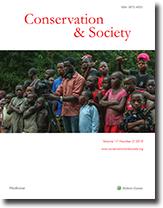
This paper uses a comparative case study approach to explore the individual and societal desire to maintain current lion populations alongside communities in Zimbabwe’s Hwange National Park, Tanzania’s Ruaha National Park, and Kenya’s southern Maasailand.
Article by Rachel Carson Center alumna Mengxi Kou and colleagues on how protected areas can conserve wildlife while also safeguarding people’s livelihoods.

The Tundra Book provides a rare and poetic glimpse into a man determined to preserve his people’s ancient culture, beliefs, and traditions.
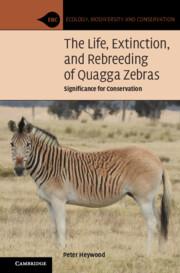
A book on the extinct quagga, a pony-sized zebra that inhabited southern Africa.

Editorial to “Imagining Planetary Health,Wellbeing and Habitability: Perspectives from the Environmental Humanities,” a special issue of Global Environment.
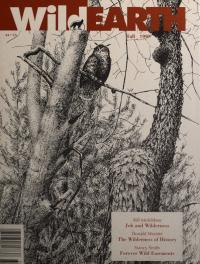
Wild Earth 7, no. 3 features contributions by Bill McKibben on “Job and Wilderness;” Donald Worster on “The Wilderness of History;” Richard Harris on the rivers of Catalonia, Spain; and Andrew Kroll and Dwight Barry on the integration of conservation and community in Colorado.

The second volume of the 30th anniversary edition of Earth First! features the topics of industrial agriculture, history and resistance to MTE in Appalachia, direct action for Orangutans in Borneo, and native perspectives on ecology.

This episode of a four-part documentary series reveals the struggles of indigenous Hawaiians and Australian Aboriginals to protect their sacred areas from modern and industrial encroachment.
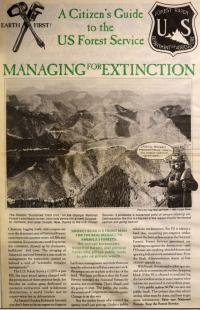
This Earth First! tabloid describes negative impacts of the U.S. Forest Service on national forests. Topics include reform proposals for the USFS, the role of deep ecology, the destruction of eco-systems across the U.S., abuse of Native American cultural heritage, and a call for the protection of national forests.