

Multimedia | image
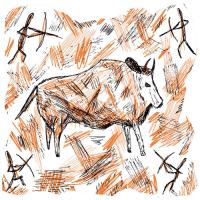
Altamira Cave
In 1879, eight-year-old Maria Justina discovered spectacular paintings in the Altamira cave in northern Spain.
In 1879, eight-year-old Maria Justina discovered spectacular paintings in the Altamira cave in northern Spain.
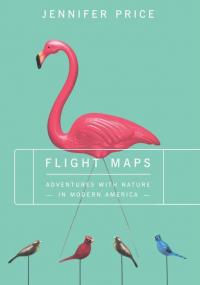
In five sharply drawn chapters, Flight Maps charts the ways in which Americans have historically made connections—and missed connections—with nature.

An ethnographic documentary film that follows an aging misfit bachelor as he negotiates his status in a world changed by nature conservation and the loss of traditional farming and forestry in Poland’s Białowieża Forest.

In October 1861 Philipp Reis presented his “telephone” to the members of the physics association in Frankfurt.
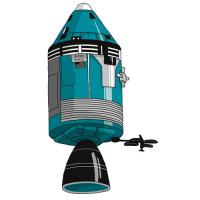
On his Apollo mission in 1968, astronaut Bill Anders shot one of the most well-known photographs of the Earth—“Earthrise.” It became a symbol for the fragility of the Earth and an icon for the environmental movement that soon followed.
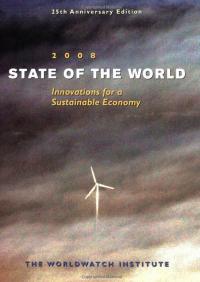
In State of the World 2008: Innovations for a Sustainable Economy, researchers with the Worldwatch Institute and other leading experts highlight an array of economic innovations that offer new opportunities for long-term prosperity.
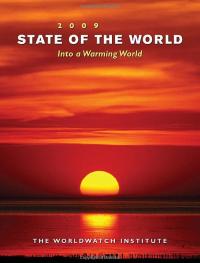
State of the World 2009: Into a Warming World examines the policy changes needed to combat climate change and explores the economic benefits that could flow from the transition.
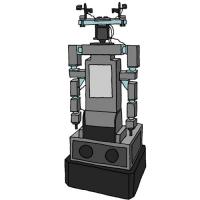
The development of specific instruments that aid in the mastery of life has led to the creation of artificial intelligence—soon maybe humans will also be replaceable.
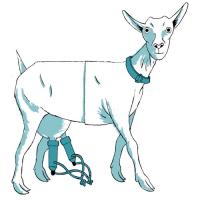
A few decades ago, breeding efforts were limited to combining the genetic materials of existing agricultural plants and farm animals. Today, biotechnicians are creating new types of plants and animal species in their labs.

On November 11, 1886, Heinrich Hertz, the pioneer of high-frequency and radio technology, for the first time observed the propagation of an electromagnetic wave with this setup.