

Arcadia
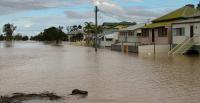
River Rights at Rockhampton (a Rhetoric)
Rivers need property rights so that humans can live with floods.
Rivers need property rights so that humans can live with floods.

In this episode from the New Books Network podcast, Matthew Gandy is interviewed on his recent book, Natura Urbana: Ecological Constellations in Urban Space .
In this episode from the New Books Network podcast, Matthew S. Henry is interviewed on his recent book, Hydronarratives: Water, Environmental Justice, and a Just Transition.
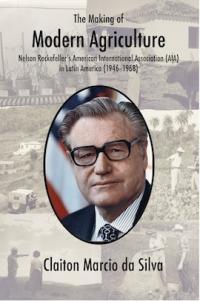
A short excerpt from The Making of Modern Agriculture: Nelson Rockefeller’s American International Association (AIA) in Latin America (1946–1968), a book by Claiton Marcio da Silva published in 2023.

Fencing for biosecurity reasons is a contentious topic among pig farmers, environmental organizations, politicians, and borderland communities.
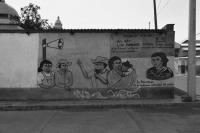
What is the defense of water in Oaxaca, Mexico?

In this Springs article, historian Jane Carruthers explores the history and impact of energy injustice in South Africa.
While reading Baron von Humboldt’s 1807 Essay on the Geography of Plants, Paula Unger writes about modern science creating boundaries between the human and the nonhuman, and how Indigenous understandings transcend them.
In this episode from the New Books Network podcast, Christina Gerhardt is interviewed on her recent book, Sea Change: An Atlas of Islands in a Rising Ocean.

The Guaraní accused global corporations such as Coca Cola and Cargill of using their traditional knowledge associated with the stevia plant and filed for an access-and-benefit sharing agreement.