Ancestral Outdoorsmen and Historical Hikes
These Boy Scout images, particularly focused on the 1919–1925 era, demonstrate that human labor and history permeated popular American nature ideology and hiking practices at that time.
Jennifer Clapp examines the nature of international trade in toxic waste and the roles of multinational corporations and environmental NGOs. Waste transfer has become a routine practice for firms in industrialized countries and poor countries accept these imports but struggle to manage the materials safely. She argues that governments have failed to recognize the voices of protest.
LaRocco examines how the San people of Botswana use memory as a form of claim-making to contest their marginal position.
Colten and Grismore examine the Amite River flood in August 2016 against the backdrop of collective flood memory and public policy.
Baez Ullberg presents examples of disaster recovery scenarios from Argentina and Sweden.
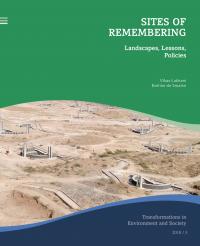
Lakhani and de Smalen offer key messages for policymakers.
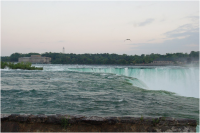
The creation of the Niagara Telecolorimeter helped engineers physically remake Niagara Falls in the mid-twentieth century.
This presentation by Guy Brasseur for the 2016 CCES Competence Center Environment and Sustainability conference “Grand Challenges in Environmental and Sustainability Science and Technology” highlights the existing and upcoming challenges for climate science and climate services.
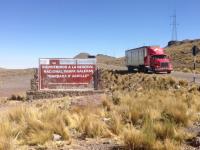
In the 1980s, Bárbara d’Achille traveled through Peru as one of the country’s first environmental writers and activists.
In 1971, the UN Economic Commission for Europe holds a pioneering international conference on Problems Related to Environment.