


Multimedia | book profile
Soft Energy Paths: Towards a Durable Peace
Soft Energy Paths serves as an important historic milestone: an intelligent and convincing argument for conservation and the use of renewable energy.
Soft Energy Paths serves as an important historic milestone: an intelligent and convincing argument for conservation and the use of renewable energy.
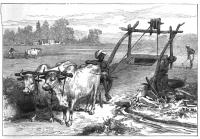
This is a chapter of the virtual exhibition “Famines in Late Nineteenth-Century India: Politics, Culture, and Environmental Justice”—written and curated by sociologist Naresh Chandra Sourabh and economic historian Timo Myllyntaus.

The Global Environments Summer Academy (GESA) is designed to broaden and deepen the knowledge, networking, and communication skills of postgraduate students, professionals, and activists who are concerned about human dimensions of environmental challenges.
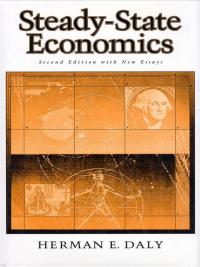
First published in 1977, Steady-State Economics caused a sensation because of Herman E. Daly’s radical view that “enough is best.”

Small Is Beautiful was first published in 1973 and still offers a crucial message for the modern world struggling to balance economic growth with the human costs of globalization.
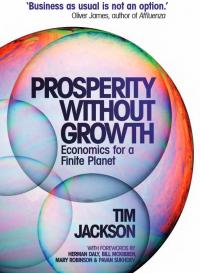
In Prosperity without Growth, Tim Jackson—a sustainability adviser to the UK government—makes a compelling case against continued economic growth in developed nations.
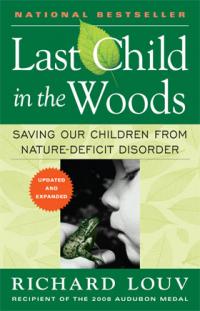
Child advocacy expert Richard Louv directly links the lack of nature in the lives of today’s wired generation—he calls it nature-deficit—to some of the most disturbing childhood trends, such as the rises in obesity, attention disorders, and depression.
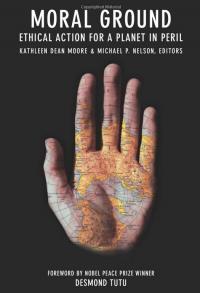
Moral Ground presents a diverse and compelling call to honor our individual and collective moral responsibility to our planet.

Barlow draws on her extensive experience and insight as a water activist to lay out a set of key principles that show the way forward to what she calls a “water-secure and water-just world.”
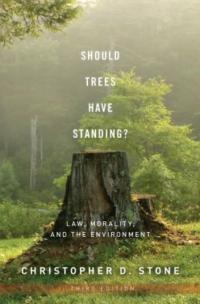
Should Trees Have Standing? continues to serve as the definitive statement as to why trees, oceans, animals, and the environment as a whole should be bestowed with legal rights.