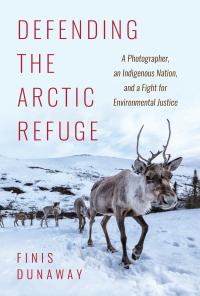
Defending the Arctic Refuge: A Photographer, an Indigenous Nation, and a Fight for Environmental Justice
Excerpt from Defending the Arctic Refuge: A Photographer, an Indigenous Nation, and a Fight for Environmental Justice.
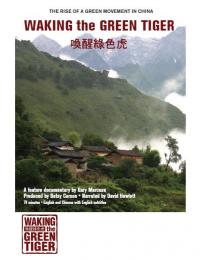

This film follows a resistance movement to the building of a dam on the Upper Yangtze River in southern China, highlighting Chairman Mao’s efforts to subjugate nature in the name of progress.
Nature of the Miracle Years traces the gradual development of the German conservation movement through the democratization perido of postwar German society.
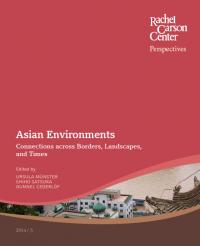
This issue of RCC Perspectives offers insights into similarities and differences in the ways people in Asia have tried to master and control the often unpredictable and volatile environments of which they were part
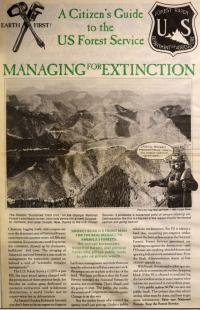
This Earth First! tabloid describes negative impacts of the U.S. Forest Service on national forests. Topics include reform proposals for the USFS, the role of deep ecology, the destruction of eco-systems across the U.S., abuse of Native American cultural heritage, and a call for the protection of national forests.
This episode of a four-part documentary series reveals the struggles of how two indigenous communities, in Russia’s Republic of Altai and in California, are resisting government mega-projects.
This episode of a four-part documentary series reveals the struggles of indigenous Papua New Guineans and Canada’s First Nations people against industrial threats on their health, livelihoods and cultural survival.
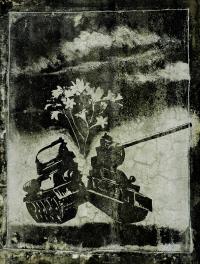
By presenting historical examples of protests and activism, literary scholar Hsu Hsuan shows that militarized spaces often are contested spaces as well, This is a chapter of the virtual exhibition “Representing Environmental Risk in the Landscapes of US Militarization.”
This case study reflects China’s environmental governance as a constantly evolving structure within the “environment-politics-society” nexus.
This article investigates how plants are supported by systems of ethno-political, military, and neoliberal power in urban Pakistan.