Nature's Past episode 55: "Asbestos Mining and Environmental Health"
In episode 55 of Nature’s Past, a podcast on Canadian environmental history, SEan Kheraj speaks to Jessica van Horssen about her new book, A Town Called Asbestos.
In episode 56 of Nature’s Past, a podcast on Canadian environmental history, Sean Kheraj joins Joanna Dean and Christabelle Sethna to discuss their new book Animal Metropolis: Histories of Human-Animal Relations in Urban Canada and, more broadly, the history of animals and cities.
In episode 57 of Nature’s Past, a podcast on Canadian environmental history, three historians based outside of Canada explain their research and reasons for studying Canadian environmental history to Sean Kheraj.
In episode 58 of Nature’s Past, a podcast on Canadian environmental history, Sean Kheraj discusses key questions concerning the development of the field of Canadian environmental history with seven environmental historians.
Outdoor recreational access in the form of Swedish right to public access may provide people with the opportunity to connect to nature.
Digital tools reveal a geographic logic to the violence of Pontiac’s War.
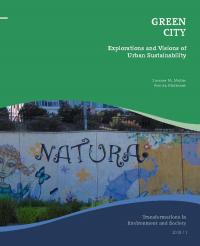
This volume explores the “green city” concept from a global and interdisciplinary perspective. Contributions examine the conflicts inherent in eco-modernization and investigate opportunities to respond meaningfully to urban environmental challenges.
Dorothee Brantz and Avi Sharma discuss the history of green urban visions, looking at historical precedents of the modern green city.
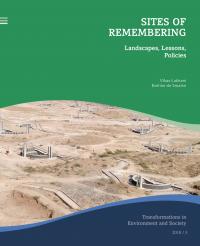
Lakhani and de Smalen offer key messages for policymakers.
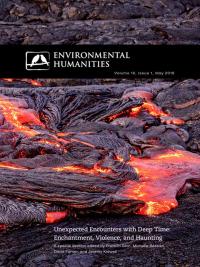
Stefan Skrimshire considers the ethical question of how to communicate with future human societies in terms of long-term disposal of radioactive fuel. He proposes that the confessional form (as propagated by Saint Augustine and critiqued by Derrida) may become increasingly pertinent to activists, artists, and faith communities making sense of humanity’s ethical commitments in deep time.