

Multimedia | Env. blogs & websites
Ant Spider Bee
The Ant Spider Bee blog explores, discusses, and reflects on digital humanities practices, methodologies, and applications in environmental humanities work.
The Ant Spider Bee blog explores, discusses, and reflects on digital humanities practices, methodologies, and applications in environmental humanities work.

Ian Tyrrell recounts the debate between forestry and conservation in a colonial setting that led to the establishment of Luquillo National Forest in Puerto Rico in 1907.
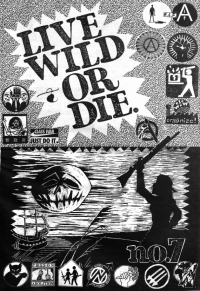
Live Wild or Die! no. 7 declares its attempt to be “unity” issue, crossing the boundaries that separate different movements. The issue covers fascism, work as wage-slavery, green anarchy, the millennium bug, and sexual liberation.
María Valeria Berros discusses the recognition of nature’s rights in Ecuador.
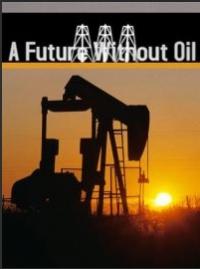
This film follows Ecuadorean President Rafael Correa’s plan to avoid exploiting its Amazonian oil fields and convince industrialized countries to help fund this initiative.

This film criticizes America’s dependency on oil, explains how oil companies were able to establish their power, and provides information on viable and affordable alternatives to petroleum fuel.
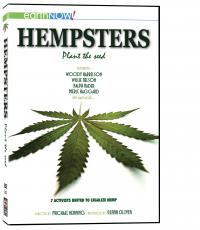
This film follows activists campaigning for the legalization of industrial hemp, which they believe has great potential for sustainability.
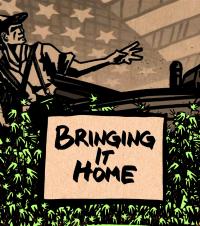
This film examines the environmental impact and uses of hemp, from nutrition to construction.

This film examines the global reach of transgenic agricultural technology through the use of genetically modified soy produced in Argentina and used as pig feed in Denmark, as well as the far-reaching health consequences in both countries.
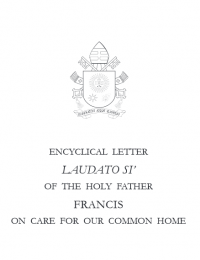
In his Encyclical Letter Laudato Si’ Pope Francis invokes all humans, believers and non-believers alike, to work together to save the earth from environmental degradation and create a fair and sustainable future for all.