


Perspectives Article
How Did Cows Construct the American Cowboy?
Timothy LeCain brings together niche construction theory and neo-materialism in an analysis of late nineteenth-century open-range cattle ranching in Montana.
Timothy LeCain brings together niche construction theory and neo-materialism in an analysis of late nineteenth-century open-range cattle ranching in Montana.
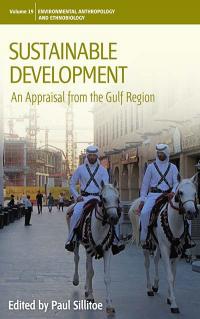
David Bello explores the fraught struggle between humans and locusts for occupancy of the agricultural niches created by farmers during China’s Qing dynasty.
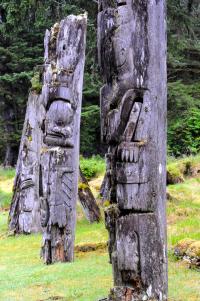
A fierce land-use dispute evolved over the temperate rainforests of the Haida Gwaii Islands in British Columbia, Canada, in 1974.

Der gezähmte Prometheus traces large fire catastrophes and the rise of the insurance business from its beginnings in fifteenth century Europe to its boom in nineteenth century globalized metropoles across the world.
This article addresses the social implications of fishers leaving activities connected with small-scale fisheries, with an emphasis on food sovereignty.

In this chapter of the virtual exhibition “Energy Transitions,” historian Nuno Luís Madureira argues that the study of such transitions itself has gone through changes over the course of history.
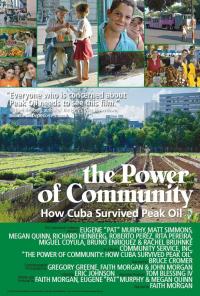
In this chapter of the virtual exhibition “Energy Transitions,” historian Nuno Luís Madureira writes about different kinds of energy-regime shifts and their preconditions.
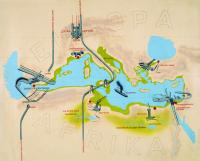
In this chapter of the virtual exhibition “Energy Transitions,” historian Nuno Luís Madureira discusses the drivers of future transitions in the light of past ones.
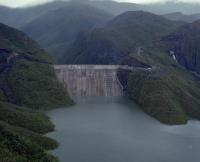
The Golillas Dam, one of the works of the Chingaza Páramo project, was the largest infrastructural project in the history of water supply for Bogotá during the twentieth century.